
ICSI
ICSI in Tunisia: Intracytoplasmic Sperm Injection to Overcome Male Infertility
ICSI (Intracytoplasmic Sperm Injection) in Tunisia is an advanced assisted reproduction (ART) technique used to treat cases of severe male infertility. In Tunisia, this procedure is performed in state-of-the-art clinics, offering couples effective solutions to conceive a child at affordable costs.
- Specialized ICSI technique for severe male infertility
- Well-equipped laboratories and expert embryologists
- Personalized follow-up throughout the treatment
- Competitive prices with complete support
-68b07fa107c25.avif)
Get a price estimate for your surgery!
Fill out the form below quickly.
FAQ
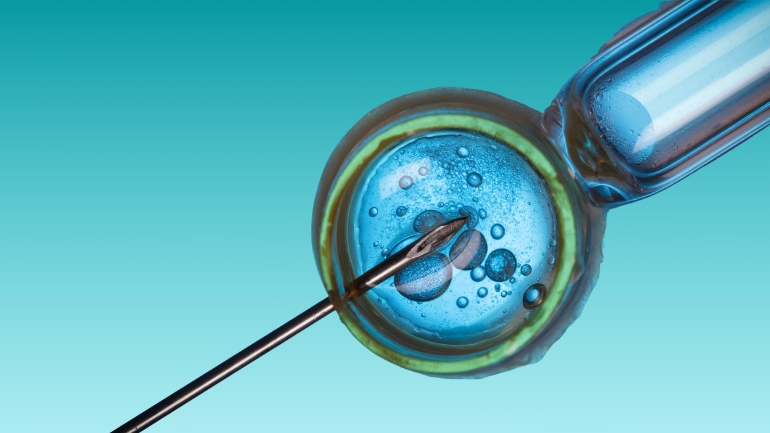
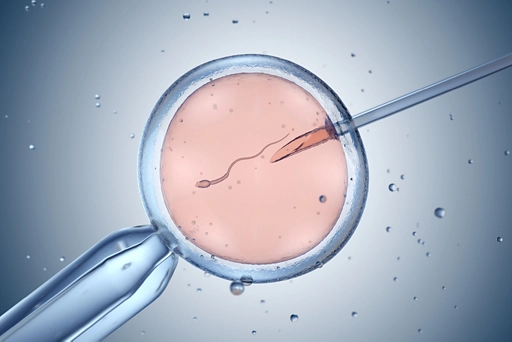
ICSI involves injecting a single sperm cell directly into the cytoplasm of an egg to facilitate fertilization. This method is particularly recommended for men with poor sperm quality, a low sperm count, or motility problems. The process is similar to in vitro fertilization (IVF), but with an additional step in which an embryologist selects a sperm cell and injects it directly into the egg using a fine needle.
Interested in ICSI in Tunisia? Request a free quote to discuss your options with our ART specialists.
Interested in ICSI in Tunisia? Request a free quote to discuss your options with our ART specialists.
ICSI aims to overcome the obstacles linked to male infertility by offering a solution when fertilization cannot be achieved through traditional methods or even conventional IVF. By injecting the sperm cell directly into the egg, this technique improves the chances of conception and allows the procedure to be tailored to each couple’s specific needs in order to maximize success rates.
Would you like to learn more? Request a free quote and book a consultation with our experts to assess your eligibility for ICSI.
Would you like to learn more? Request a free quote and book a consultation with our experts to assess your eligibility for ICSI.
The cost of ICSI in Tunisia is generally between 1500 and 4000 euros, covering several essential services. This includes the initial consultations and fertility assessments, ovarian stimulation with ultrasound monitoring, egg retrieval, injection of the sperm directly into the eggs, as well as embryo culture and embryo transfer.
For more information about ICSI and a personalized quote, request a free quote and begin your assisted reproduction journey with complete peace of mind.
For more information about ICSI and a personalized quote, request a free quote and begin your assisted reproduction journey with complete peace of mind.
Choosing Tunisia for your ICSI offers several advantages:
- Competitive prices: A lower cost than in European countries, with equivalent quality of care.
- Modern technology: Use of cutting-edge techniques and equipment to maximize the chances of success.
- Medical expertise: Teams of highly qualified specialists experienced in fertility.
- Complete support: Personalized, attentive follow-up throughout the journey.
ICSI steps
- Initial assessment and evaluation: Tests to assess the couple’s fertility.
- Ovarian stimulation: Use of hormones to stimulate the ovaries and obtain several eggs.
- Egg retrieval: Extraction of the eggs under light anesthesia.
- Sperm preparation: Selection of the best sperm cells for injection.
- Intracytoplasmic injection: A single sperm cell is injected directly into each egg.
- Embryo culture: The embryos are monitored in the laboratory for a few days.
- Embryo transfer: The best embryos are transferred into the woman’s uterus.
Anesthesia
Egg retrieval is performed under light anesthesia or sedation to ensure the patient’s comfort.
Duration
The ICSI process spans several weeks, including ovarian stimulation, egg retrieval, and embryo transfer.
Need more details on how it works? Request a free quote to schedule an appointment with our fertility experts.
What to expect after ICSI
After the embryo transfer, a period of relative rest is recommended. Patients can resume their normal activities but should avoid intense physical exertion. A pregnancy test is done about two weeks after the transfer to confirm the success of the ICSI.
Recommendations and Tips
After ICSI, it is essential to rest and manage stress by avoiding stressful activities. It is also important to keep your follow-up medical appointments to monitor how embryo implantation is progressing, while maintaining a healthy lifestyle through a balanced diet and adequate hydration.
Want to maximize your chances of success? Request a free quote to benefit from complete, personalized support.
Description of Results
ICSI results vary depending on several factors, including the woman’s age and the quality of the gametes. In general, ICSI offers success rates similar to those of conventional IVF, with a probability of pregnancy per cycle of about 30 to 40% in women under 35.
How Results Evolve
- Immediate results: Pregnancy confirmed by a test about two weeks after the transfer.
- Long-term results: Follow-up throughout the pregnancy to monitor the development of the fetus.
Ready to make your dream of a family a reality? Request a free quote and embark on your ICSI journey in Tunisia with confidence.

Welcoming our new patients
We are welcoming
new patients
A brief statement describing the purpose and mission of the clinic. This may include a commitment to patient care and community health.

more services
You may also like other services
In vitro fertilization
Medical services required on the spot, e.g. for medical