
Coronary Angiography

Coronary Angiogram: Diagnosis of Coronary Artery Disease
What is a coronary angiogram?
A coronary angiogram is a medical examination that allows the coronary arteries of the heart to be visualized. It is performed to diagnose possible coronary artery disease, such as blockages or narrowing of the blood vessels that supply the heart with blood. This examination is crucial for assessing heart health and planning possible procedures.
- Accurate diagnosis of the coronary arteries
- Identification of narrowing and blockages
- Possibility of immediate treatment (angioplasty)
- Procedure performed in a safe environment
Get a price estimate for your surgery!
Fill out the form below quickly.
FAQ
A coronary angiogram is an essential diagnostic procedure, indicated in several clinical contexts to assess the health of the coronary arteries. It is frequently performed on patients with symptoms associated with heart disease, such as chest pain, breathing difficulties or palpitations. In addition, this procedure may be recommended as part of the diagnosis of acute coronary syndrome, such as a myocardial infarction, to determine the extent of heart damage.
Additional indications include the assessment of patients at high cardiovascular risk, follow-up of previous treatments, or the planning of procedures such as angioplasty. In short, the coronary angiogram is a fundamental tool for informing treatment decisions and optimizing the management of coronary artery disease.
Additional indications include the assessment of patients at high cardiovascular risk, follow-up of previous treatments, or the planning of procedures such as angioplasty. In short, the coronary angiogram is a fundamental tool for informing treatment decisions and optimizing the management of coronary artery disease.
The main goals of a coronary angiogram include diagnosing coronary artery disease by identifying narrowing or blockages of the coronary arteries, which can cause chest pain or heart attacks. This procedure also makes it possible to assess the severity of the disease, helping to determine the extent of coronary involvement and to plan appropriate treatment. In addition, the coronary angiogram plays an essential role in guiding medical decisions about the need for procedures such as angioplasty or coronary bypass.
The cost of a coronary angiogram in Tunisia varies depending on the healthcare facility and the techniques used. In general, the price ranges from €800 to €2,000, including consultations, pre-operative tests and post-operative follow-up.
For more information about the coronary angiogram, request a personalized quote now and discover your treatment options.
For more information about the coronary angiogram, request a personalized quote now and discover your treatment options.
1. Pre-operative consultation: The cardiologist reviews the medical history and performs preliminary tests, such as an electrocardiogram (ECG) or a cardiac ultrasound.
2. Preparing for the procedure: Specific instructions are given about fasting and the medications to take or avoid before the procedure.
3. Procedure:
o Anesthesia: The coronary angiogram is generally performed under local anesthesia.
o Catheter insertion: A catheter is inserted into an artery, often at the wrist or groin, and then guided to the coronary arteries.
o Contrast dye injection: A contrast dye is injected to visualize the coronary arteries on X-ray images.
4. Post-procedure monitoring: After the examination, the patient is monitored for several hours to detect any complications.
2. Preparing for the procedure: Specific instructions are given about fasting and the medications to take or avoid before the procedure.
3. Procedure:
o Anesthesia: The coronary angiogram is generally performed under local anesthesia.
o Catheter insertion: A catheter is inserted into an artery, often at the wrist or groin, and then guided to the coronary arteries.
o Contrast dye injection: A contrast dye is injected to visualize the coronary arteries on X-ray images.
4. Post-procedure monitoring: After the examination, the patient is monitored for several hours to detect any complications.
A coronary angiogram generally takes between 30 minutes and one hour, depending on the complexity of the procedure.
As for the hospital stay, it can range from a few hours to one night, depending on the patient’s condition and post-operative monitoring needs.
As for the hospital stay, it can range from a few hours to one night, depending on the patient’s condition and post-operative monitoring needs.
A coronary angiogram generally takes between 30 minutes and one hour, depending on the complexity of the procedure and the patient’s specific needs. Before the examination, adequate preparation is necessary, including the administration of a mild sedative to ensure the patient’s comfort. During the procedure, the doctor inserts a catheter into an artery and injects a contrast agent that allows the coronary arteries to be visualized using X-rays. Although the procedure is relatively short, it is important to allow additional time for post-procedure monitoring, to observe the patient’s condition until they are ready to leave the facility.
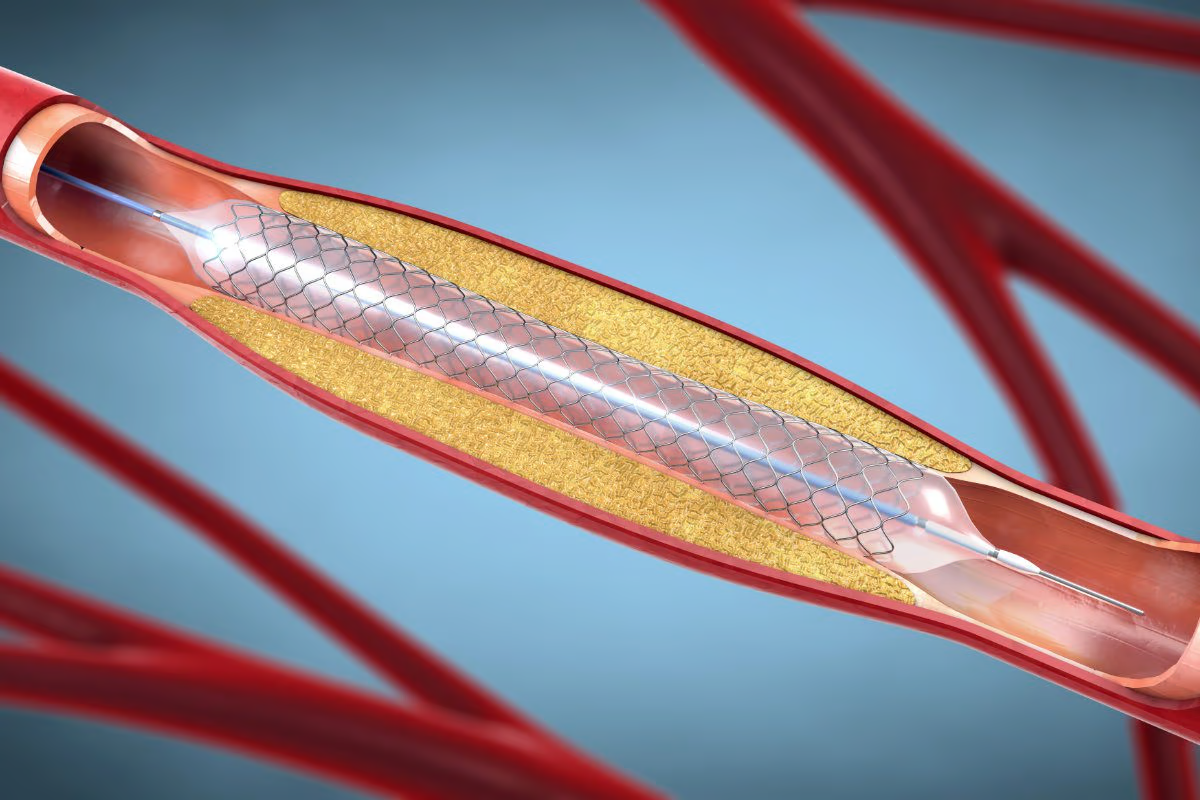
If narrowing or blockages are detected, an angioplasty can be performed immediately after the coronary angiogram, often with the placement of stents to keep the artery open.
What to expect after the procedure
- Pain and discomfort: Slight pain or bruising may appear at the puncture site, but it usually goes away quickly.
- Fatigue: Patients may feel tired after the procedure, so rest is recommended.
Recommendations and advice
- Activities: Avoid intense physical exertion for a few days after the coronary angiogram.
- Medical follow-up: Follow-up consultations are necessary to monitor heart health and assess the results of the examination.
- Accurate diagnosis: The coronary angiogram provides clear, detailed images of the coronary arteries, allowing an accurate diagnosis of heart problems.
- Possible treatments: If needed, treatments such as angioplasty can be performed immediately after the examination.
- Prevention of complications: Early diagnosis can prevent serious cardiac events, such as heart attacks.
Immediate results
The coronary angiogram provides immediate results about the condition of the coronary arteries. The cardiologist can analyze the images and discuss the results with the patient right after the examination.
Long-term evolution of results
- Treatment plan: Depending on the results, the cardiologist may recommend a treatment, which may include lifestyle changes, medication or additional surgical procedures.
- Heart health follow-up: Regular follow-up is essential to monitor how heart health is progressing and to adjust treatments if necessary.
A brief statement describing the purpose and mission of the clinic. This may include a commitment to patient care and community health.

Welcoming our new patients
We are welcoming
new patients

more services
You may also like other services
Angioplasty
Medical services required on the spot, e.g. for medical

Heart Valve Replacement
Medical services required on the spot, e.g. for medical

Coronary Artery Bypass
Medical services required on the spot, e.g. for medical