
Coronary Artery Bypass

Coronary Artery Bypass in Tunisia: A Solution for Coronary Artery Disease
What is Coronary Artery Bypass in Tunisia?
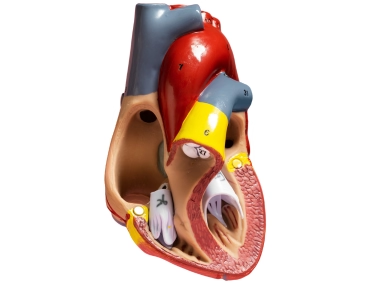
Coronary artery bypass grafting (CABG) is a surgical procedure intended to treat coronary artery disease, in which the coronary arteries narrow or become blocked, limiting blood flow to the heart. This procedure consists of rerouting blood flow around the blocked or narrowed artery using a blood vessel taken from another part of the body, which improves the blood supply to the heart muscle.
- Treatment of narrowed or blocked coronary arteries
- Improved blood flow to the heart
- Use of the patient’s own blood vessels for the bypass
- Major cardiac surgery
Get a price estimate for your surgery!
Fill out the form below quickly.
FAQ
Before undergoing coronary artery bypass grafting (CABG), it is essential to fully understand the procedure and its implications. First, a thorough assessment of your health will be carried out, including tests such as an echocardiogram and blood tests. It is vital to discuss with your doctor the potential risks associated with this procedure, such as infections, bleeding and possible cardiac complications. You will also be informed about the different types of grafts available, which are frequently taken from the veins or arteries of your own body.
You should be prepared to follow specific recommendations regarding your diet, medication and the lifestyle changes to adopt before the operation. Finally, it is advisable to arrange adequate support from family and to set up appropriate medical follow-up to promote optimal recovery after the procedure. Careful preparation will allow you to approach CABG with confidence and peace of mind.
You should be prepared to follow specific recommendations regarding your diet, medication and the lifestyle changes to adopt before the operation. Finally, it is advisable to arrange adequate support from family and to set up appropriate medical follow-up to promote optimal recovery after the procedure. Careful preparation will allow you to approach CABG with confidence and peace of mind.
The main goals of coronary artery bypass grafting are to restore adequate blood flow to the heart in order to improve its function, to relieve symptoms such as chest pain and signs of heart failure, and to prevent serious complications, notably heart attacks, which can be linked to coronary artery disease.
The cost of coronary artery bypass in Tunisia generally ranges from €7,000 to €12,000, depending on the complexity of the surgery, the type of anesthesia and hospitalization costs. This amount includes pre-operative consultations, the procedure itself, and post-operative follow-up.
For more information about coronary artery bypass, request a personalized quote now and explore your treatment options.
For more information about coronary artery bypass, request a personalized quote now and explore your treatment options.
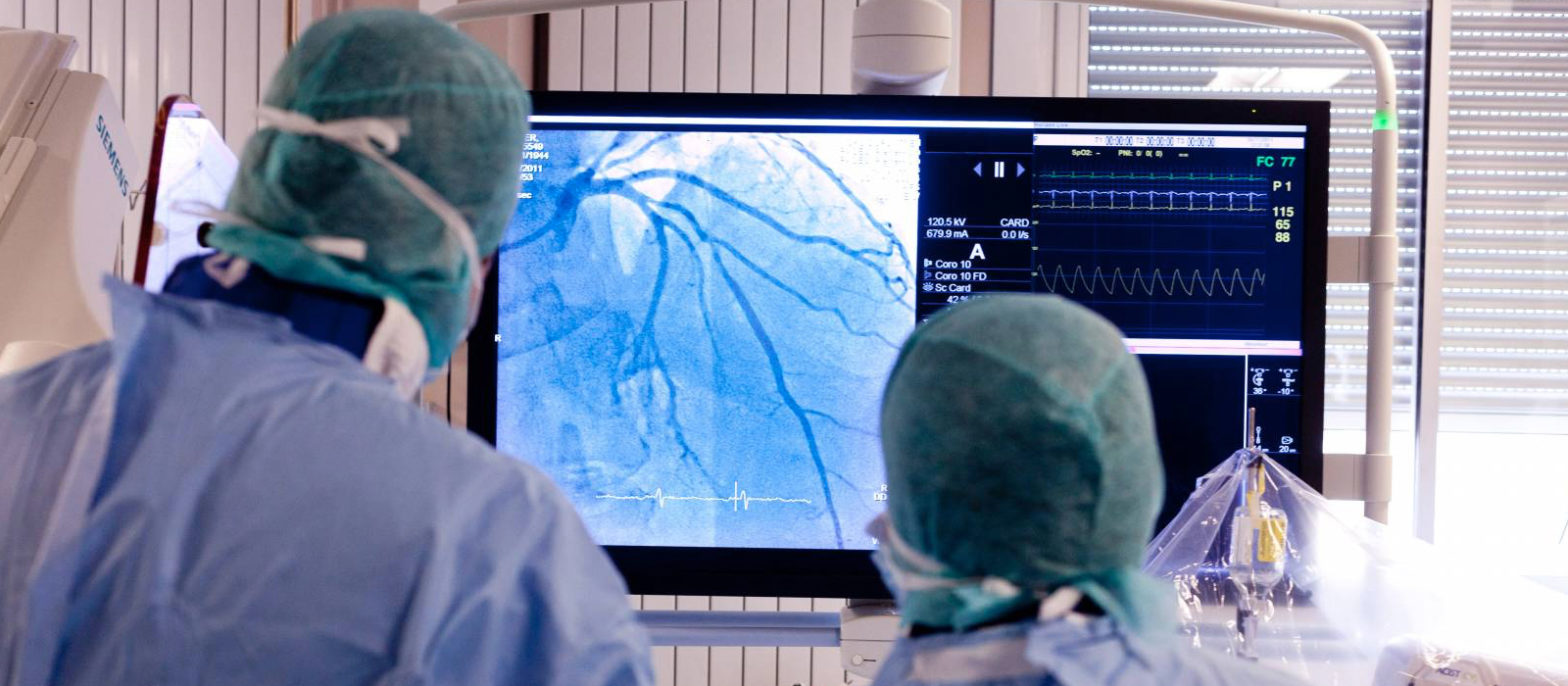
- Pre-operative consultation: A cardiologist assesses the patient’s condition, performs tests such as a cardiac ultrasound or a coronary angiogram, and discusses treatment options.
- Preparation: The patient receives instructions on the medications to take or avoid before surgery.
- Surgical procedure:
Anesthesia: The patient is placed under general anesthesia to ensure their comfort.
Opening the chest: The surgeon makes an incision over the sternum to access the heart.
Bypass: A blood vessel, usually taken from the leg (saphenous vein) or chest (internal mammary artery), is used to bypass the blocked coronary artery.
Closure: The chest is closed and the patient is transferred to the recovery room for close monitoring.
Coronary artery bypass surgery generally lasts between 3 and 6 hours, depending on the number of bypasses performed and the complexity of the operation. After surgery, the hospital stay is usually 5 to 7 days, depending on the patient’s recovery.
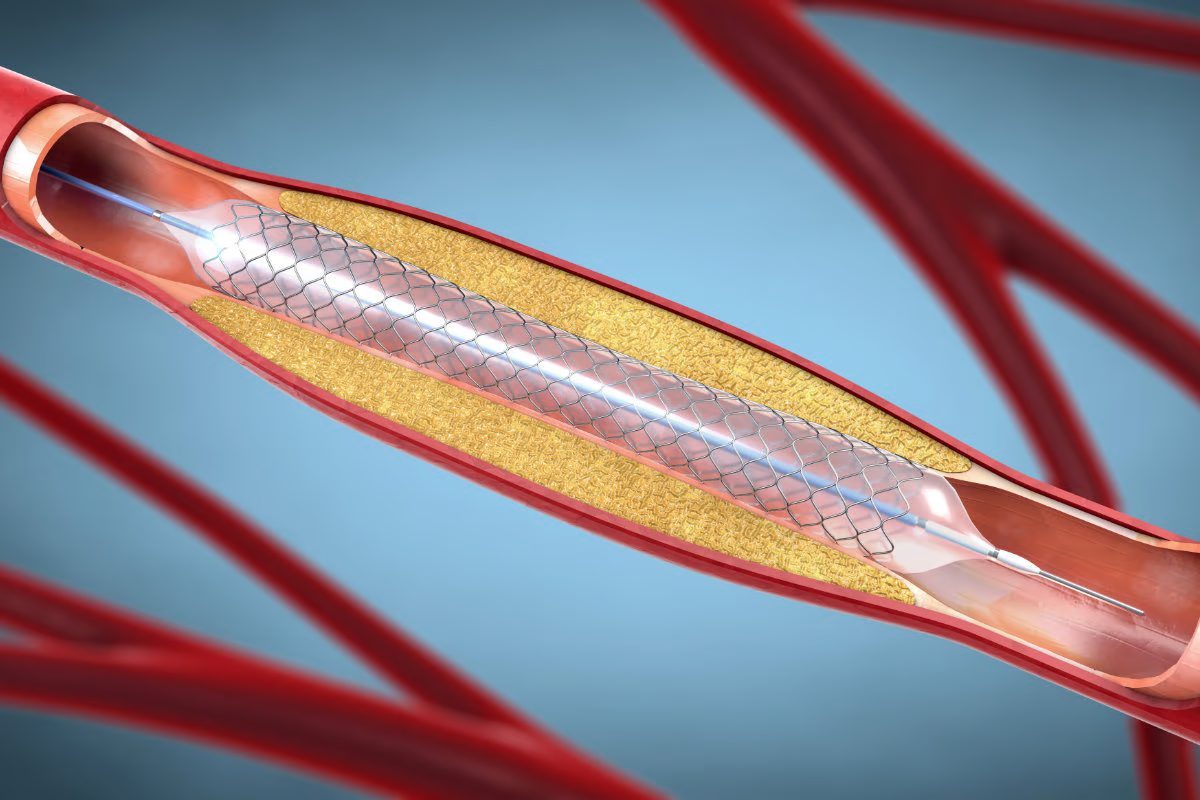
In some cases, CABG may be combined with other procedures, such as heart valve repair or angioplasty.
During recovery in the hospital, patients are closely monitored for possible postoperative complications, with regular checks of their vital signs. While a certain level of chest pain is normal after the operation, it can be managed effectively with pain medication.
Recommendations and advice
- Physical activity: Following a cardiac rehabilitation program is essential to improve heart health.
- Medical follow-up: Regular follow-up visits with the cardiologist are necessary to monitor the health of the heart and how well the bypass grafts are working.
Recovery time after coronary artery bypass surgery varies from one patient to another, but it generally extends over several weeks. In the first few days after the operation, the patient is often kept in the hospital for medical monitoring aimed at preventing possible complications. Once back home, recovery continues, and most patients are able to resume light activities after about two to three weeks. However, a full recovery may take between six and twelve weeks, depending on the patient's initial state of health and level of physical activity before the procedure. It is crucial to follow medical recommendations and, if offered, to take part in a cardiac rehabilitation program to optimize the healing process and encourage a gradual return to normal activities.
Immediate results
Coronary artery bypass surgery generally has an immediate positive impact, with a significant reduction in symptoms such as chest pain. Patients often feel more energetic and better able to carry out daily activities more easily.
Long-term evolution of results
Regular follow-up: It is crucial to keep monitoring heart health, including regular tests to assess how well the heart is working.
Healthy lifestyle: A balanced diet, regular exercise and quitting smoking are key factors in maintaining lasting results.
To learn more about coronary artery bypass surgery and get a personalized quote, contact us today.
A brief statement describing the purpose and mission of the clinic. This may include a commitment to patient care and community health.

Welcoming our new patients
We are welcoming
new patients

more services
You may also like other services
Coronary Angiography
Medical services required on the spot, e.g. for medical
Angioplasty
Medical services required on the spot, e.g. for medical

Heart Valve Replacement
Medical services required on the spot, e.g. for medical