
Facial Lipofilling

Facial Fat Transfer Tunisia: Affordable fat injection
Facial Fat Transfer in Tunisia: A Natural Aesthetic Solution
Facial fat transfer (lipofilling), also known as lipotransfer, is an increasingly popular surgical technique in aesthetic medicine. It involves harvesting fat from an area of the patient’s body and then injecting it into areas of the face to restore volume and improve the harmony of the features. This procedure is for those who wish to correct signs of aging, such as wrinkles or volume loss, while using their own tissue, which reduces the risk of rejection or allergies. With its natural, lasting results, fat transfer is an appealing alternative to other filler techniques. In this presentation, we will explore the indications, the benefits, how the procedure is performed and the expected aesthetic results.
- Natural technique using autologous fat
- Lasting, harmonious results
- Correction of volume loss and wrinkles
- Personalized post-operative follow-up
- All-inclusive stay in a luxury hotel
Get a price estimate for your surgery!
Fill out the form below quickly.
FAQ
Facial fat transfer (lipofilling), also known as lipotransfer, is a cosmetic surgical procedure that involves harvesting fat from a part of the patient’s body and reinjecting it into the face. This technique restores volume, corrects imperfections and restores facial harmony. Fat transfer is particularly appreciated for its natural look, because it uses the patient’s own fat, thereby reducing the risk of allergic reactions or rejection.
Facial fat transfer is suitable for a wide range of patients. It is often recommended for:
- People who want to correct volume loss: This may be due to aging, weight loss or genetic factors.
- Individuals with wrinkles or fine lines: Fat transfer can help soften these signs of aging.
- Patients who want a natural approach: Unlike synthetic fillers, fat transfer uses autologous fat.
- People with scars or deformities: This includes patients who have suffered trauma or previous surgery.
The cost of facial fat transfer can vary depending on several factors, including geographic location, the surgeon’s experience and the complexity of the procedure. The price is 1650 euros, an amount that generally includes consultation fees, anesthesia and post-operative care. It is advisable to discuss costs during the initial consultation to avoid any surprises.
Facial fat transfer can correct several types of flaws:
- Volume loss: Ideal for the cheeks, temples and lips, fat transfer restores volume and creates a more youthful look.
- Wrinkles and fine lines: It can soften the appearance of nasolabial folds and wrinkles around the mouth.
- Scars: Fat transfer can improve the appearance of depressed or atrophic scars.
- Asymmetry: It helps correct imbalances between the two sides of the face.
There is no strict age limit for facial fat transfer. However, it is generally recommended to wait until the face is fully developed, which occurs toward the end of adolescence. For older people, fat transfer can be an excellent option to combat the signs of aging. It is crucial that patients be in good general health and have realistic expectations about the results.
A facial fat transfer procedure generally takes about 1 to 2 hours. This can vary depending on the areas to be treated and the amount of fat to be harvested. The procedure is often performed under local anesthesia, which allows the patient to recover quickly.
Fat transfer can be applied to several areas of the face, including:
- The cheeks: To restore volume and a fuller look.
- The temples: To restore harmony and facial contour.
- The lips: For added volume and definition.
- The chin: To improve projection and facial balance.
- The nasolabial folds: To soften the creases that form between the nose and the mouth.
The results of facial fat transfer can last from 6 months to several years. However, it is important to note that the reinjected fat may not survive entirely. In general, about 50 to 70% of the injected fat remains in the face in the long term. Touch-up sessions may be needed to optimize the results and maintain the desired appearance.
The pre-operative visit is essential to prepare the patient for the procedure. Here is what you can expect:
- Medical assessment: The surgeon will review your general health and discuss your medical history.
- Discussion of expectations: You will have the opportunity to express your wishes and the result you want.
- Planning of the procedure: The surgeon will explain how the procedure works, the areas to be treated and the amount of fat to be harvested.
- Pre-operative instructions: You will be given advice on medications to avoid, diet and care to follow before the procedure.
- Rest: It is recommended to rest and avoid intense physical activity for a few days.
- Swelling and bruising: Expect some swelling and bruising, which should disappear within a few days.
- Medical follow-up: Follow-up appointments will be scheduled to assess healing and make adjustments if necessary.
- Care of the treated area: It is essential to follow the surgeon’s instructions regarding care of the injected area.
Scars from facial fat transfer are generally very discreet. The incisions for harvesting the fat are often made in less visible areas, such as the groin crease or the abdominal region. The injections are done with fine cannulas, which limits visible marks on the face. Over time, these scars fade and become almost invisible.
- Natural results: Using autologous fat produces a more harmonious, natural result.
- Lower risk of allergies: Since the fat comes from the patient’s own body, the risk of an allergic reaction is minimized.
- Double benefit: In addition to restoring volume to the face, fat transfer contours another area of the body (such as the abdomen or thighs) from which the fat is harvested.
- Durability: The results are generally longer-lasting than those of temporary fillers.
- Quick recovery: Recovery time is generally short compared with other surgical procedures.
- Infection: An infection can occur at the harvesting or injection site.
- Fat resorption: Some of the injected fat may not survive, which could require touch-ups.
- Asymmetry: Uneven results can occur if the fat is not injected uniformly.
- Hematoma or swelling: Bruising or swelling may occur, but this is usually temporary.
The recovery period after facial fat transfer is generally quick. Most patients can return to their daily activities after a week. However, it is recommended to avoid intense physical exertion and direct sun exposure for at least two weeks. Swelling and bruising usually subside within the first few days, and the final results may be visible after a few months, once the fat has stabilized.
It is advisable to avoid direct sun exposure immediately after facial fat transfer. The skin can be sensitive, and the sun can worsen swelling and bruising. In addition, heat can affect healing of the injected area. It is recommended to wear sunscreen and, if possible, stay in the shade for at least two weeks after the procedure.
- Restored volume: Areas such as the cheeks and temples look fuller and more youthful.
- Softened wrinkles: Wrinkles and fine lines are visibly reduced.
- Improved facial harmony: The whole face looks more balanced and harmonious.
- Lasting results: With proper maintenance, results can last several years.

more services
You may also like other services

Rhinoplasty in Tunisia
Medical services required on the spot, e.g. for medical
Cervicofacial lift
Medical services required on the spot, e.g. for medical
Blepharoplasty in Tunisia
Medical services required on the spot, e.g. for medical
Otoplasty
Medical services required on the spot, e.g. for medical
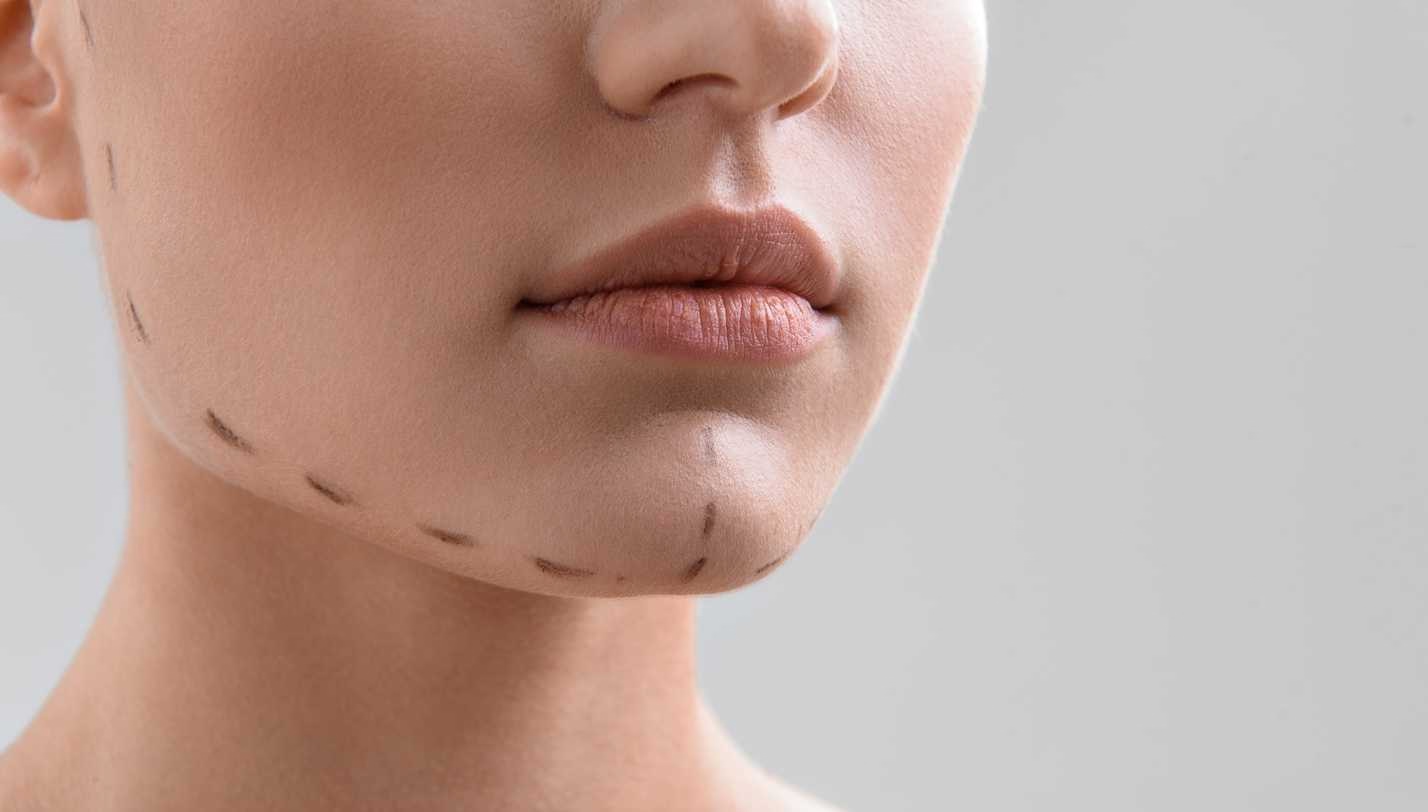
Genioplasty
Medical services required on the spot, e.g. for medical
Lip Lift
Medical services required on the spot, e.g. for medical
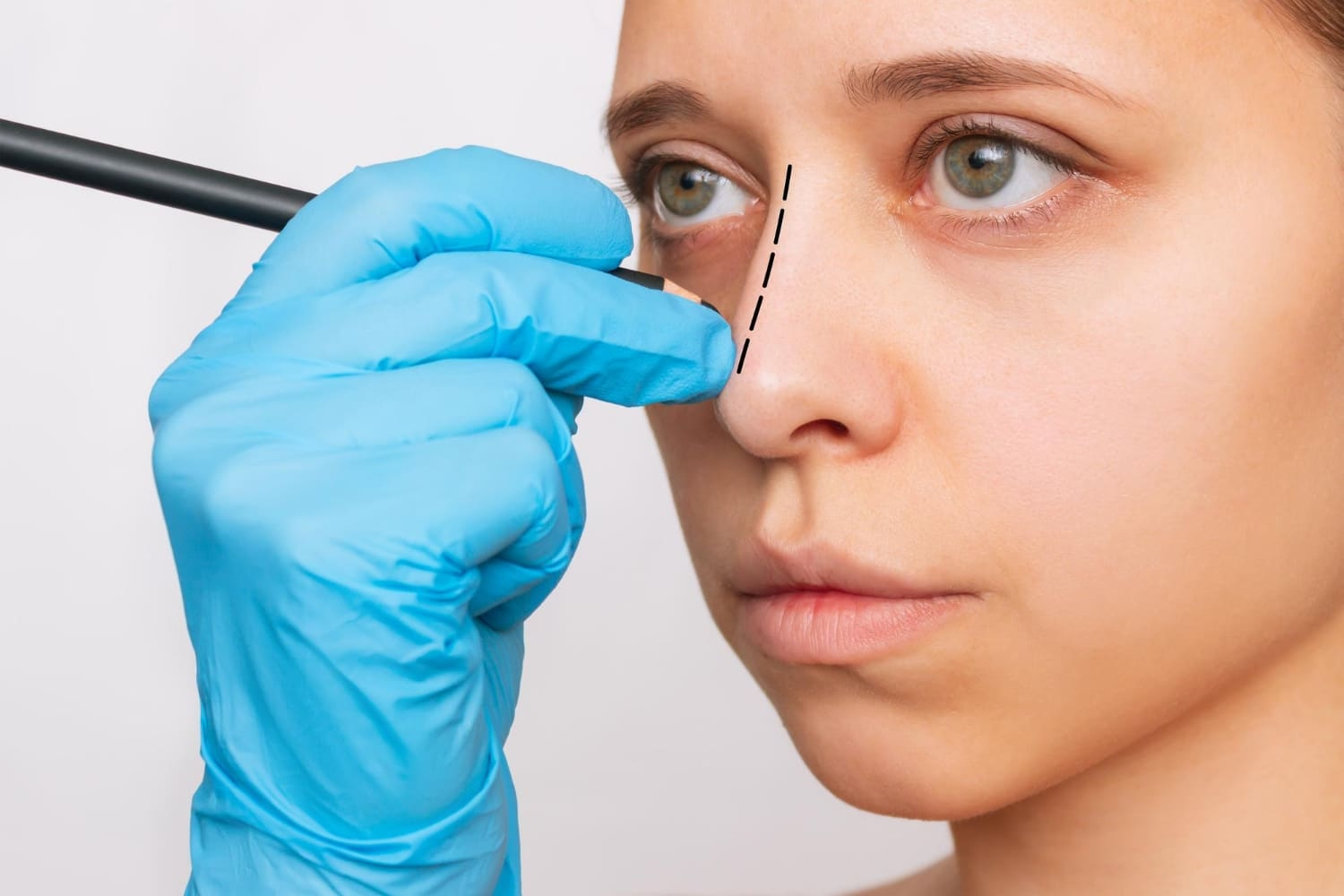
Septoplasty
Medical services required on the spot, e.g. for medical