
Myomectomy
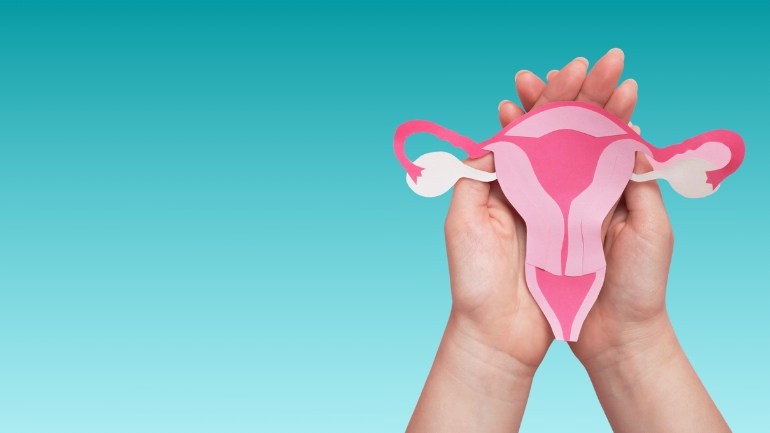
Myomectomy: Uterine Fibroid Surgery and Symptom Treatment
What is a myomectomy?
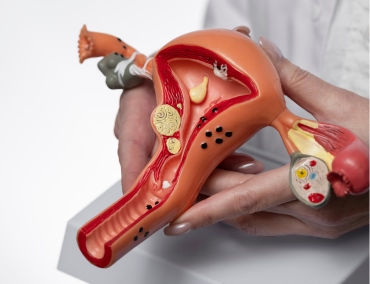
Myomectomy is a surgical procedure designed to remove uterine fibroids, which are benign tumors that develop in the wall of the uterus. These fibroids can cause various symptoms, such as heavy menstrual bleeding, pelvic pain and fertility problems. Myomectomy aims to relieve these symptoms while preserving a woman's ability to have children.
- Targeted removal of uterine fibroids
- Preservation of female fertility
- Relief from pelvic pain
- Improvement of menstrual disorders
Get a price estimate for your surgery!
Fill out the form below quickly.
FAQ
The main goal of myomectomy is to relieve the symptoms caused by uterine fibroids, notably by eliminating the pain and excessive bleeding they can cause. The procedure also aims to preserve women's fertility, allowing them to conceive in the future while keeping the uterus intact. In addition, myomectomy helps improve patients' quality of life by reducing the physical and emotional impact associated with these fibroids.
The cost of a myomectomy in Tunisia varies depending on the complexity of the procedure and the healthcare facility. In general, the price ranges from €1,000 to €3,000, including preliminary consultations, medical tests and post-operative follow-up.
For more information on myomectomy, request a personalized quote now and discover your options confidentially.
For more information on myomectomy, request a personalized quote now and discover your options confidentially.
The criteria used to determine whether a patient is a suitable candidate for a myomectomy are based on various clinical and personal factors. First, the size, number and location of the fibroids are of significant importance, as some types of fibroids can be removed more easily without compromising the integrity of the uterus. Associated symptoms, such as pelvic pain, excessive bleeding or fertility problems, also play an essential role in this assessment.
There are several methods of myomectomy, each suited to specific situations depending on the size and location of the fibroids and the patient's general condition.
Hysteroscopic myomectomy
This method is used to remove fibroids located inside the uterus. It involves inserting a hysteroscope, a thin, lighted instrument, through the vagina and cervix, allowing the surgeon to reach the fibroids directly and remove them without an abdominal incision.
Myomectomy by laparotomy
This approach involves a larger abdominal incision and is generally reserved for cases where the fibroids are larger or when there are several of them. Although more invasive, this method provides direct access to the uterus and is often used for complicated fibroids.
Laparoscopic myomectomy
Also known as keyhole surgery, this technique is less invasive than laparotomy. It uses small incisions and a laparoscope to remove the fibroids. This method is often associated with a faster recovery time and less post-operative pain.
Vaginal myomectomy
Although less common, this technique may be considered to remove fibroids that can be reached through the vagina. It offers the advantage of a less invasive approach, but is generally not used for larger fibroids.
Steps of the procedure
- Pre-operative consultation: An appointment with a gynecologist to discuss symptoms, test results and treatment options.
- Choice of surgical technique: Myomectomy can be performed laparoscopically (minimally invasive surgery), abdominally (open surgery) or by hysteroscopy (through the vagina), depending on the size and location of the fibroids.
- 3. Surgical procedure:
Laparoscopy: Small incisions are made in the abdomen to remove the fibroids using surgical instruments and a camera.
Abdominal surgery: A larger incision is made to remove the fibroids.
Hysteroscopy: Fibroids located inside the uterus are removed through the vagina.
- 4. Post-operative monitoring: The patient is observed to make sure she is recovering well from the procedure.
Anesthesia and duration of the procedure
Myomectomy is generally performed under general or regional anesthesia.
The procedure lasts from 1 to 3 hours, depending on the method used and the number of fibroids to be removed.
Additional care may be needed, such as hormone treatments to regulate the menstrual cycle after the procedure.
What to expect after the procedure
- Pain: Cramp-like abdominal pain may occur, but it can usually be managed with painkillers.
- Bleeding: Light bleeding may occur for a few days after the operation.
- Rest: Most patients are encouraged to rest and avoid physical exertion for a few weeks.
After a myomectomy, it is essential to keep your medical follow-up appointments to assess healing and make sure no complications arise. It is also recommended to avoid intense physical activity for at least 4 to 6 weeks to promote recovery. In addition, it is important to monitor your symptoms carefully and report any unusual sign, such as intense pain or excessive bleeding, to a healthcare professional.
Immediate results
After the procedure, the majority of patients notice immediate relief from fibroid-related symptoms, notably reduced pain and bleeding.
Long-term evolution of results
- Complete recovery: Full healing can take from a few weeks to a few months, depending on the surgical technique used.
- Improved quality of life: Many women report a significant improvement in their quality of life and reproductive health after myomectomy.
- Fertility follow-up: Most women can consider pregnancy after healing, although it is recommended to consult a fertility specialist for appropriate follow-up.
A brief statement describing the purpose and mission of the clinic. This may include a commitment to patient care and community health.

Welcoming our new patients
We are welcoming
new patients

more services
You may also like other services
Ovarian Cyst
Medical services required on the spot, e.g. for medical
Hysterectomy
Medical services required on the spot, e.g. for medical

Abortion
Medical services required on the spot, e.g. for medical