
Angioplasty

Angioplasty in Tunisia: Treatment of Arterial Blockages
What is angioplasty in Tunisia?
Angioplasty is a medical procedure used to treat narrowed or blocked arteries, usually caused by atherosclerosis (a buildup of fatty deposits on the walls of the vessels). This procedure aims to restore normal blood flow to the heart or other parts of the body by widening the affected arteries with a balloon.
- Treatment of narrowed or blocked arteries
- Restoration of blood flow to the heart
- Minimally invasive procedure
- Rapid relief of heart symptoms
Get a price estimate for your surgery!
Fill out the form below quickly.
FAQ
Coronary angioplasty is a procedure intended mainly for patients with coronary artery disease, which is characterized by blockages or narrowing of the coronary arteries. This procedure is frequently recommended for people with symptoms such as chest pain, shortness of breath or episodes of stable angina. Angioplasty may also be considered for patients who have suffered a myocardial infarction, in order to quickly restore blood flow to the heart. This procedure is also suitable for people who do not respond adequately to medication or who are at high risk of cardiac complications. In short, coronary angioplasty is an essential treatment option for improving blood circulation and reducing the risk of heart problems in at-risk patients.
The main goals of angioplasty are to restore blood flow by widening narrowed arteries, which improves circulation to tissues and organs. This procedure also aims to relieve symptoms such as chest pain and fatigue, which are often linked to ischemia. Finally, it helps prevent serious complications, such as heart attacks, by improving the patient’s overall cardiovascular health.
The cost of angioplasty in Tunisia can vary depending on the techniques used and the medical facility. In general, the price ranges from €1,500 to €3,000, including hospitalization, anesthesia and follow-up costs. Call to action: for more information about angioplasty, request a personalized quote now and explore your treatment options.
- Pre-operative consultation: The cardiologist performs a thorough examination and discusses the patient’s medical history.
- Preparation: Instructions on taking medication and fasting before the procedure are provided.
- Surgical procedure:
Anesthesia: Angioplasty is generally performed under local anesthesia.
Vascular access: A catheter is inserted into an artery (usually in the groin or wrist).
Balloon: The catheter is guided to the narrowed artery, where a balloon is inflated to widen the artery.
Stent placement: In many cases, a stent is inserted to keep the artery open.
- Post-procedure monitoring: After the procedure, the patient is monitored to detect any complications.
The procedure generally lasts between 30 minutes and 2 hours, depending on its complexity.
The hospital stay can range from a few hours to one night.
The hospital stay can range from a few hours to one night.
If additional problems are identified, other procedures may be considered, such as coronary bypass.
What to expect after angioplasty
- Quick recovery: Many patients can go home the same day or the day after the procedure.
- Mild pain: Slight pain or bruising may appear at the puncture site, but this is usually temporary.
Recommendations and advice
- Physical activity: It is recommended to gradually resume light physical activity and to avoid strenuous exertion for a few weeks.
- Medical follow-up: Follow-up consultations are essential to monitor heart health and assess the effectiveness of the angioplasty.
- Minimally invasive method: Angioplasty is performed through the blood vessels, which shortens recovery time compared to more invasive surgical procedures.
- Fast results: Patients can often feel immediate relief from their symptoms.
- Possibility of stenting: During angioplasty, it is common to place a stent to keep the artery open and prevent future narrowing.
Recovery time after angioplasty is generally short, allowing patients to quickly resume their daily activities. In most cases, a hospital stay of a few hours to one night is enough to ensure adequate monitoring after the procedure. Once at home, patients are advised to rest and avoid intense physical exertion for several days. They can usually resume light activities after a few days; however, it is essential to follow specific advice according to the recommendations of the treating physician. Most patients report an improvement in their symptoms in the weeks following the procedure. In addition, regular follow-up is essential to assess how their cardiovascular health is progressing and to adjust treatments if necessary.
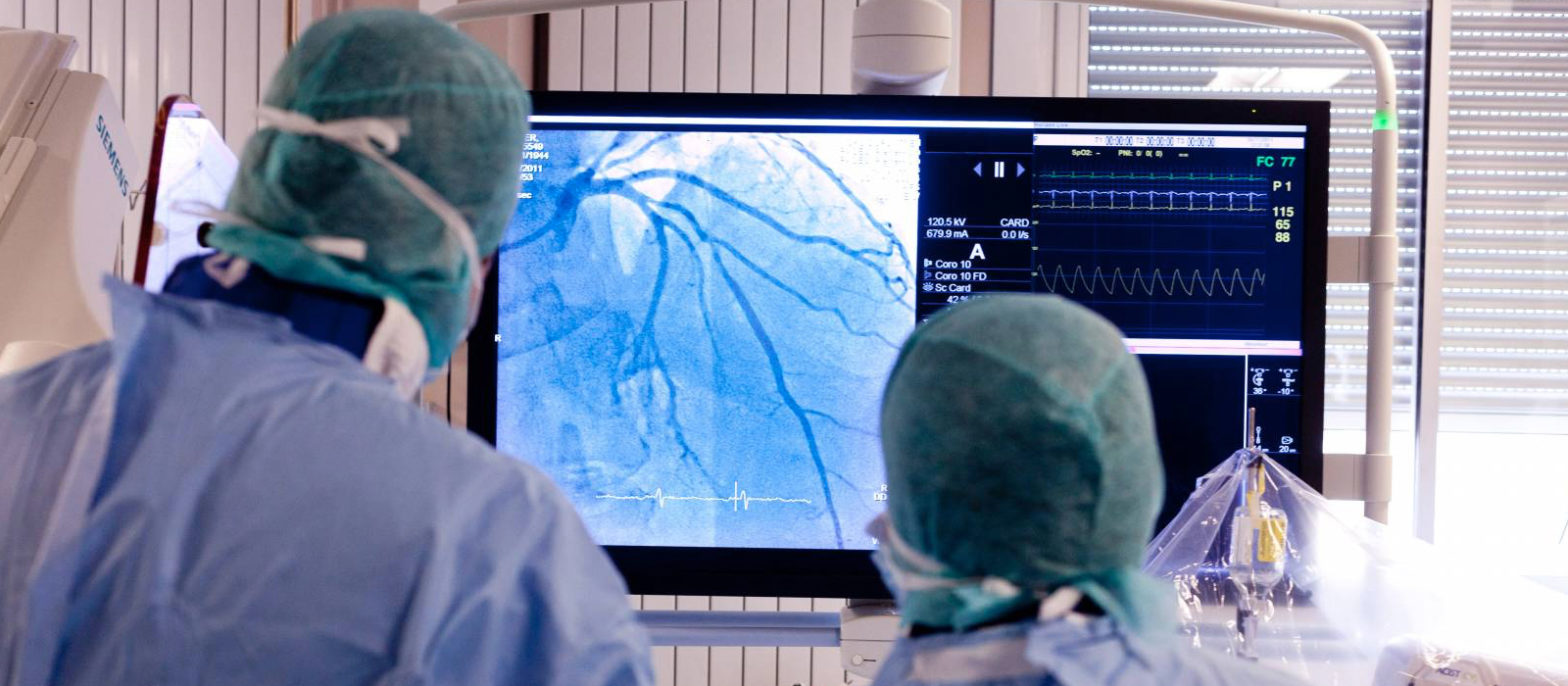
Following a coronary angiogram, if significant narrowing or blockages of the coronary arteries are identified, angioplasty may be recommended as the appropriate treatment. This procedure aims to restore blood flow to the heart by widening the affected arteries. During angioplasty, a catheter is introduced through the same access used for the coronary angiogram, avoiding the need for a new puncture. A balloon is then inflated to dilate the artery, and a stent may be inserted to hold the vessel open. The transition from coronary angiogram to angioplasty generally goes smoothly, with the patient supported throughout the process. After this procedure, regular follow-up is essential to monitor recovery and ensure the treatment is effective, contributing to better cardiovascular health.
Immediate results
Angioplasty generally delivers immediate results in terms of improved blood flow. Patients may feel a rapid reduction in symptoms, such as chest pain.
Long-term evolution of results
- Regular follow-up: It is important to continue monitoring heart health with regular check-ups.
- Prevention of complications: A healthy lifestyle, including a balanced diet and exercise, is crucial to maintaining the results achieved.
Angioplasty has a high success rate, generally between 90% and 95%, making it an effective procedure for treating blockages of the coronary arteries. This success rests on the procedure’s ability to restore blood flow to the heart, thereby reducing symptoms such as chest pain and improving patients’ quality of life. Results can vary depending on several factors, including the patient’s general health and the location and severity of the blockages. Although the majority of patients notice a significant improvement after the procedure, it is important to follow medical recommendations to maximize the chances of long-term success and minimize the risk of recurrence. Regular follow-up and a healthy lifestyle also play a key role in maintaining the benefits of angioplasty.
A brief statement describing the purpose and mission of the clinic. This may include a commitment to patient care and community health.

Welcoming our new patients
We are welcoming
new patients

more services
You may also like other services
Coronary Angiography
Medical services required on the spot, e.g. for medical

Heart Valve Replacement
Medical services required on the spot, e.g. for medical

Coronary Artery Bypass
Medical services required on the spot, e.g. for medical