
Dental Implants

Dental implants in Tunisia: Dental implant placement price
Dental Implants in Tunisia with Mondial Santé: Restore Your Smile with Confidence
Mondial Santé offers you a complete solution with its dental implant services in Tunisia. Discover competitive prices, a team of qualified experts, and a wide range of procedures to regain functional, natural-looking teeth.
- Competitive prices and complete solutions
- Team of qualified implantology experts
- Personalized procedures tailored to your needs
- Post-operative follow-up and support
-68931d470c74a.avif)
Get a price estimate for your surgery!
Fill out the form below quickly.
FAQ
The eligibility criteria for receiving a dental implant in Tunisia are essential to ensure the success of the procedure. First, the patient's general health is assessed; it is crucial not to suffer from serious medical conditions such as uncontrolled diabetes or severe heart disease. Next, the quality and quantity of bone available in the jaw are examined, as insufficient bone may require a prior bone graft. Oral health also plays a key role; patients must have healthy, infection-free gums. In addition, habits such as smoking can affect the success of the implantation, and it is often advised to give them up before the procedure. Finally, the patient's motivation and ability to follow post-operative recommendations are important to ensure optimal healing. A thorough consultation with a specialist will determine whether a dental implant is a viable option suited to each individual.
Benefit from dental implants at advantageous prices, offering an affordable solution without compromising on quality.
Trust highly qualified specialists in dental implantology for precise, long-lasting results.
Trust highly qualified specialists in dental implantology for precise, long-lasting results.
Having dental implants placed with Mondial Santé requires at least 2 stays in Tunisia. The implant placement procedure itself takes about one hour in
total.
During the 1st stay, the surgeon removes the damaged tooth and places the implant in the jaw, while inserting a screw to prevent fragments from infiltrating.
We then need to wait about 3 to 6 months for the implant to fuse with the jawbone and for the gum to attach to the implant.
Once the gum tissue has healed around the post, we move on to action during your second stay, notably attaching an extension called an abutment to the implant.
Given the importance of the implant and the abutment, which together support the new tooth, a crown, carefully designed to blend as well as possible with your natural teeth, is attached to the implant post so that you can finally enjoy your future smile.
total.
During the 1st stay, the surgeon removes the damaged tooth and places the implant in the jaw, while inserting a screw to prevent fragments from infiltrating.
We then need to wait about 3 to 6 months for the implant to fuse with the jawbone and for the gum to attach to the implant.
Once the gum tissue has healed around the post, we move on to action during your second stay, notably attaching an extension called an abutment to the implant.
Given the importance of the implant and the abutment, which together support the new tooth, a crown, carefully designed to blend as well as possible with your natural teeth, is attached to the implant post so that you can finally enjoy your future smile.
The different types of dental implants are distinguished mainly by their design, material and placement method, each suited to specific needs. Endosteal implants, the most common, are placed directly in the jawbone and are often made of titanium, a biocompatible material that promotes good bone integration. Subperiosteal implants, for their part, are placed on the bone, beneath the gum tissue, and are used when the amount of available bone is insufficient for endosteal implants. Finally, zygomatic implants, which are less common, are inserted into the zygomatic bone (cheekbone) and are recommended for patients with significant bone loss in the upper jaw. Each type of implant has its own indications and advantages, and the choice of the most appropriate type will depend on the clinical evaluation and the specific needs of each patient.
As for the advantages of dental implants over dentures, bridges and prosthetics, they are more effective for several reasons, such as their lifespan, since they last longer than alternative solutions.
In addition, these implants are strong, as the patient can eat solid foods and chew well.
By reducing bone loss, implants offer excellent comfort to patients who are always looking for teeth that are as close to natural as possible.
Finally, the implant remains a permanent solution and spares the patient from removing and refitting dentures and dealing with the problem of food trapped under the denture.
In this regard, the dental surgeon may choose the beneficial option of placing several dental implants in one arch, notably with the “All On 4” solution.
Finally, note that if the implant is properly placed and well maintained, it will only need replacing after 10 years.
In addition, these implants are strong, as the patient can eat solid foods and chew well.
By reducing bone loss, implants offer excellent comfort to patients who are always looking for teeth that are as close to natural as possible.
Finally, the implant remains a permanent solution and spares the patient from removing and refitting dentures and dealing with the problem of food trapped under the denture.
In this regard, the dental surgeon may choose the beneficial option of placing several dental implants in one arch, notably with the “All On 4” solution.
Finally, note that if the implant is properly placed and well maintained, it will only need replacing after 10 years.
The post-operative effects of dental implant placement in Tunisia are generally well managed thanks to post-operative care and professional recommendations. After the procedure, it is common to feel some discomfort and slight swelling in the treated area, which can be eased with anti-inflammatory medication prescribed by the dentist. It is important to follow the instructions on mouth care, including the use of antiseptic mouthwash and maintaining good oral hygiene to prevent infections. A soft diet is often recommended for the first few days so as not to put excessive pressure on the implant. Follow-up visits make it possible to monitor healing and check the integration of the implant in the bone. By following post-operative advice, patients can promote optimal healing and successful integration of the implant.
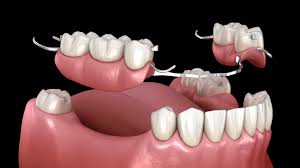
Alternatives to dental implants offer various options for people who are not candidates for implants or who prefer other solutions. Among the most common options, removable dentures can replace several missing teeth and are often more economical, although they require periodic adjustment to adapt to changes in the structure of the mouth. Dental bridges, which use the adjacent teeth as supports for the replacement teeth, are another effective and durable alternative, especially when one or more teeth need to be replaced. Finally, orthodontic solutions or braces for specific cases can sometimes offer aesthetic and functional improvements without resorting to implants. The choice of the best alternative will depend on individual factors such as oral health, personal preferences and budget, and it is recommended to consult a dentist to determine the solution best suited to each situation.
The result of a dental implant procedure depends on several factors, but in general it is very satisfying when the procedure is performed by an experienced professional. After the healing phase, which can last several months, the dental implant integrates harmoniously with the jawbone, providing a solid foundation for the crown or prosthesis that will be attached later. The final result is often an artificial tooth that looks and functions like a natural tooth, allowing efficient chewing and improving the aesthetics of the smile. Patients generally report great satisfaction with the stability and comfort of the implants, as well as their long-term durability. However, the success of the implant also depends on following the post-operative instructions and maintaining good oral hygiene, as well as regular evaluation by the dentist to ensure that the implant remains healthy.
If you have any questions about dental implants or would like to schedule a consultation, do not hesitate to contact us. Our team of experienced professionals is at your disposal to answer your questions, assess your specific needs and guide you throughout the process. We offer personalized consultations to discuss the treatment options suited to your situation and to provide you with detailed information about the steps of the procedure, the associated costs, and post-operative care. You can reach us by phone, by email, or by filling out the contact form on our website. We are committed to providing you with a quality service and supporting you professionally to help you regain a healthy, beautiful smile.

Welcoming our new patients
We are welcoming
new patients
A brief statement describing the purpose and mission of the clinic. This may include a commitment to patient care and community health.

more services
You may also like other services
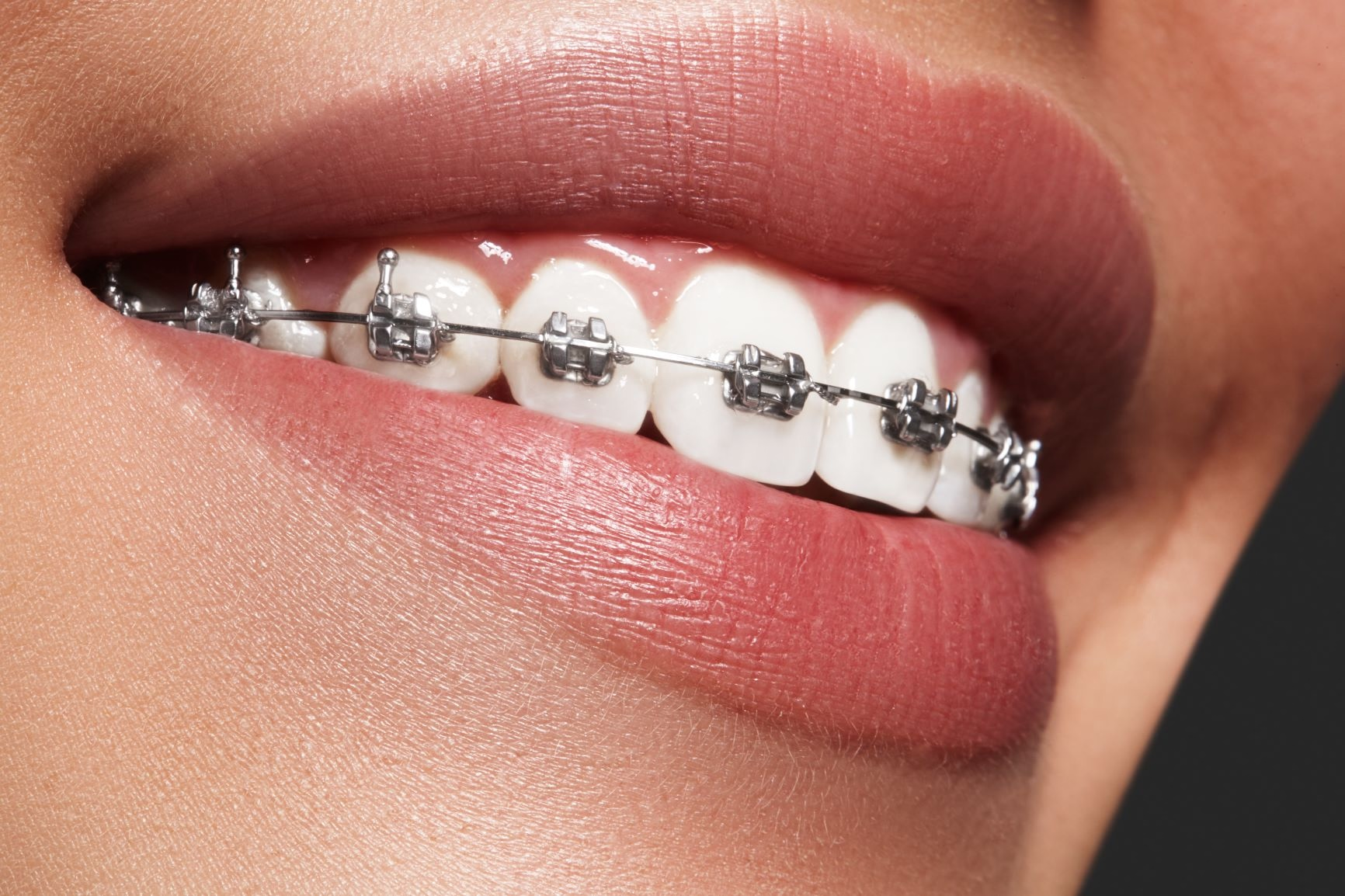
Braces in Tunisia
Medical services required on the spot, e.g. for medical
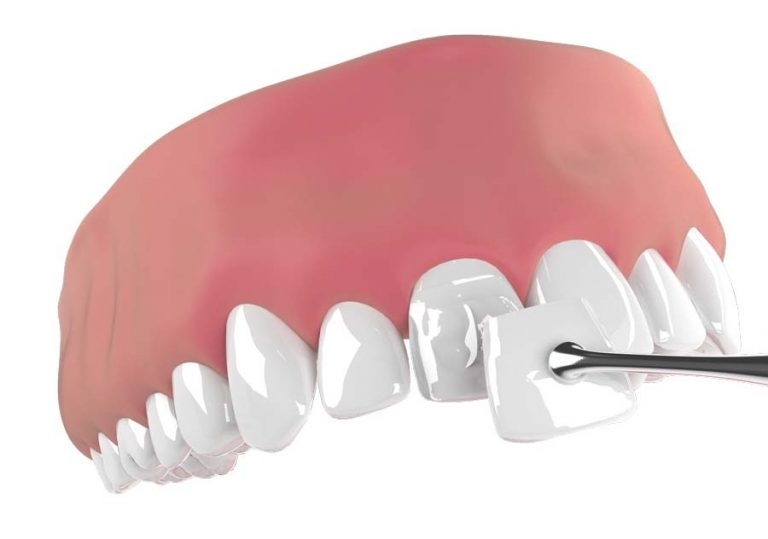
Dental Veneers in Tunisia
Medical services required on the spot, e.g. for medical
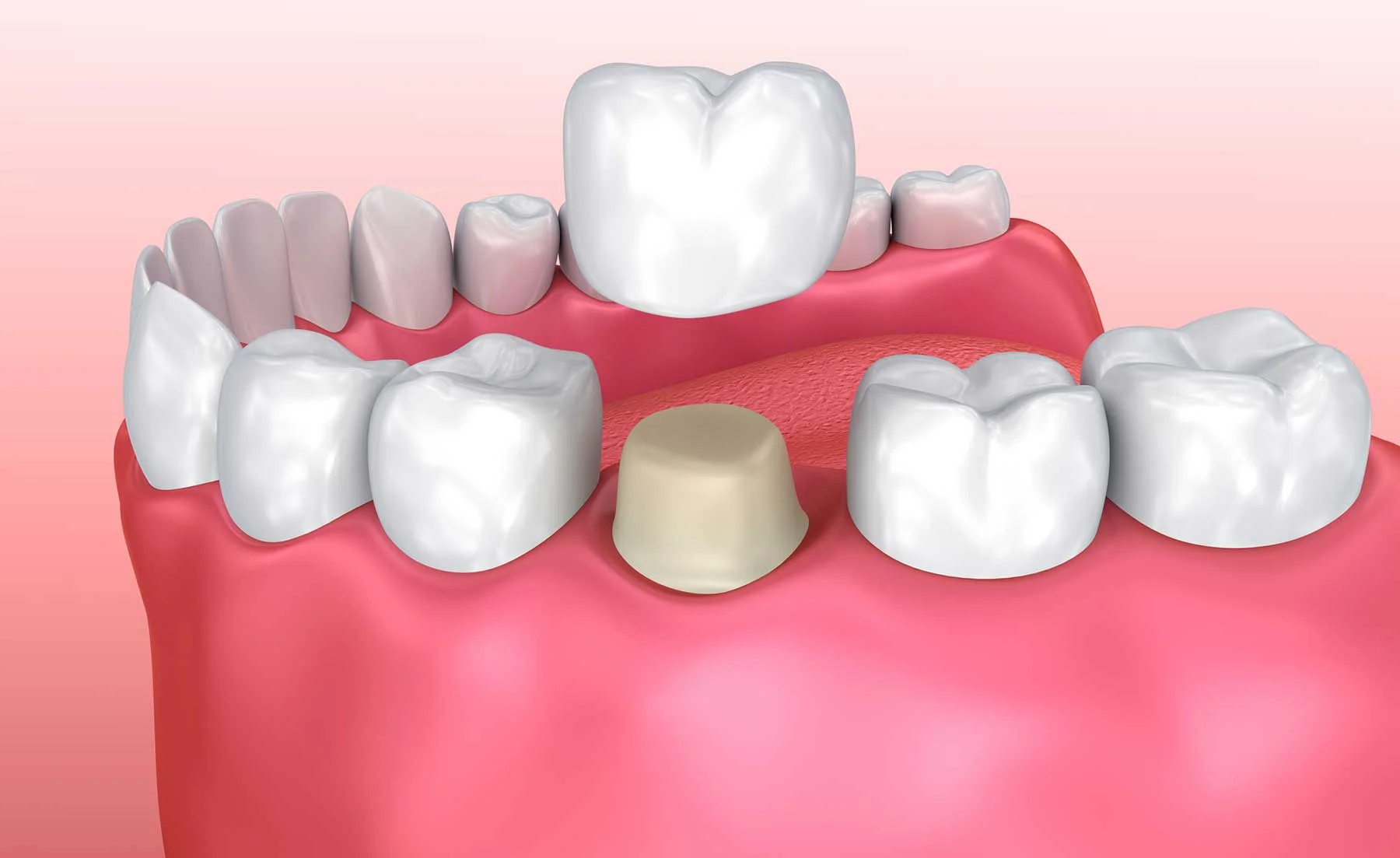
Dental Crowns in Tunisia
Medical services required on the spot, e.g. for medical
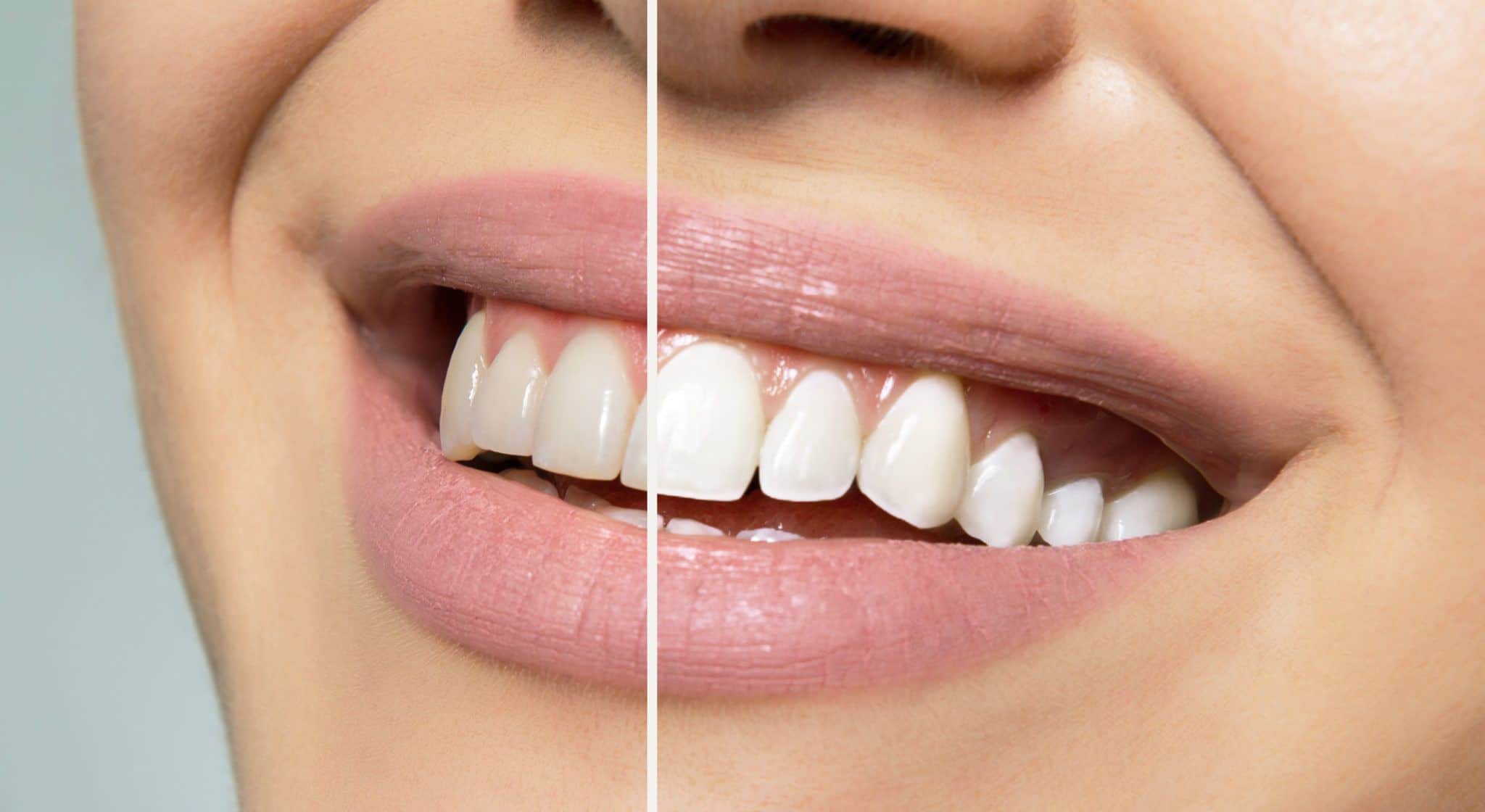
Teeth Whitening in Tunisia
Medical services required on the spot, e.g. for medical
Dentures in Tunisia
Medical services required on the spot, e.g. for medical