
Braces

Braces: Solutions for Optimal Alignment
Braces Tunisia: Try a New Smile with Better-Aligned Teeth
Many people aspire to a dazzling smile, a goal often touted in cosmetic dentistry ads.
Particularly among young people, braces in Tunisia are not limited to replacing missing teeth but are mainly intended to correct dental or jaw malformations.
If your misaligned teeth bother you, are you considering orthodontic treatment? At Mondial Santé, we understand your concerns and offer you financial planning tailored to your needs. Contact us today for a free quote and find out how we can help you regain a smile radiant with confidence.
- Effective correction of dental misalignment
- Devices tailored to individual needs
- Aesthetic and functional improvement of the smile
- Professional follow-up by specialized orthodontists
Get a price estimate for your surgery!
Fill out the form below quickly.
FAQ
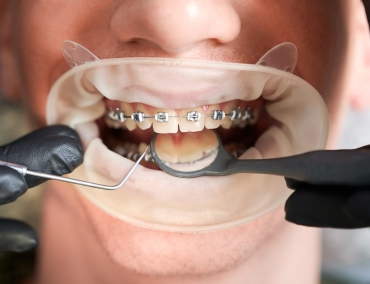
Braces are an orthodontic device used to correct misalignment of the teeth and jaws. Whether for alignment, bite or cosmetic issues, these devices play a crucial role in oral health. They can be fixed (like brackets) or removable (like aligners). Braces are generally prescribed by an orthodontist, a specialist who evaluates the teeth and recommends the most appropriate treatment based on the patient's individual needs. Braces can be used at any age, although they are often associated with adolescence, the period during which the permanent teeth develop. Technological advances have made it possible to design more discreet and comfortable devices, making orthodontic treatment more accessible and pleasant.
Braces work by applying gentle, constant pressure to the teeth to slowly move them into their desired position. This pressure is applied through brackets, wires, and other components attached to the teeth. The forces generated by the appliance gradually change the position of the teeth and the jawbone.
With fixed appliances, such as traditional braces, the brackets are bonded to the surface of the teeth and connected by an orthodontic wire. This wire is adjusted regularly by the orthodontist to ensure the teeth move properly. Removable appliances, on the other hand, must be worn according to the practitioner's instructions and can be taken out to eat or brush your teeth.
Orthodontic treatments can last from a few months to several years, depending on the complexity of the problems being corrected. Regular follow-up with the orthodontist is essential to monitor progress and adjust the treatment if necessary.
With fixed appliances, such as traditional braces, the brackets are bonded to the surface of the teeth and connected by an orthodontic wire. This wire is adjusted regularly by the orthodontist to ensure the teeth move properly. Removable appliances, on the other hand, must be worn according to the practitioner's instructions and can be taken out to eat or brush your teeth.
Orthodontic treatments can last from a few months to several years, depending on the complexity of the problems being corrected. Regular follow-up with the orthodontist is essential to monitor progress and adjust the treatment if necessary.
Orthodontic correction often involves the use of braces in Tunisia. In general, two main types of appliances are considered, each suited to different levels of complexity and individual needs:
- Removable braces:
- Removable intra-oral braces
- Palatal expanders
- Fixed intra-oral braces:
- Ceramic braces
- Orthodontic mini-screws
- Invisible orthodontic solutions
- Traditional braces
- Extra-oral braces:
- Headgear and facemask extra-oral appliances
- The nature of the dental problems to be corrected
- The patient's age
- Aesthetic preferences
- The available budget
- The duration of treatment
As for costs, the price of braces in Tunisia varies depending on the complexity of the case, the type of appliance chosen, and the length of treatment. Fees are set by the orthodontist after reviewing your file and preparing a personalized quote. They can generally range between €500 and €1,500 per six-month period, with the possibility of additional costs for more discreet appliances or more complex treatments.
Braces offer many benefits, both functional and aesthetic. The main advantages include:
- Improved Teeth Alignment: Braces correct misaligned teeth, improving the look of your smile and your self-confidence.
- Correction of Bite Problems: Braces can resolve problems such as crossbite, open bite, or malocclusion, contributing to better chewing function.
- Prevention of Dental Problems: Properly aligned teeth are easier to clean, reducing the risk of cavities, gum disease, and other oral health problems.
- Improved Overall Health: Well-aligned teeth can also influence general health by reducing tension in the jaw and improving digestion.
- Aesthetic Options: Modern appliances, such as clear aligners, offer discreet solutions, allowing patients to wear their braces without feeling self-conscious.
The process of getting braces begins with an initial consultation with an orthodontist. During this first meeting, the specialist will assess the patient's dental condition, order X-rays, and discuss the goals of the treatment. Following this consultation, a personalized treatment plan will be drawn up.
- Impressions and X-rays: Impressions of the teeth and X-rays are taken to create an accurate model of the dentition.
- Preparing the Teeth: If fixed braces are used, the teeth must be cleaned and, in some cases, polished to allow better adhesion of the brackets.
- Fitting the Braces: The brackets are bonded to each tooth, and the orthodontic wire is secured. For removable appliances, the dentist adjusts the device to make sure it fits comfortably.
- Regular Follow-up: Regular appointments are scheduled to adjust the braces and track progress. These visits make sure the treatment is going as planned.
Proper care of your braces is crucial to ensure the treatment is effective and to maintain good oral hygiene. Here are a few tips for taking care of your braces:
- Brushing and Flossing: It is essential to brush your teeth at least twice a day and to floss to remove food particles trapped around the brackets and wires. Effective brushing helps prevent cavities and gum disease.
- Balanced Diet: Certain foods can damage braces. It is recommended to avoid hard, sticky, or sugary foods and to favor a healthy diet.
- Regular Visits to the Orthodontist: Regular check-ups are necessary to adjust the braces and check progress. Not missing these appointments is essential to the success of the treatment.
- Use of Specific Products: Braces cleaners and antibacterial mouthwashes can be used to maintain good hygiene.
- Following the Dentist's Recommendations: It is important to follow all the instructions given by the orthodontist to ensure the braces work properly and the treatment succeeds.

more services
You may also like other services
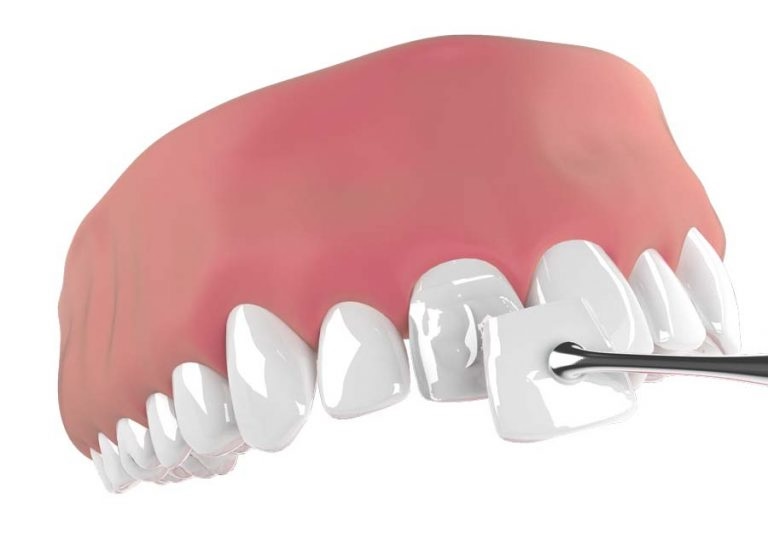
Dental Veneers in Tunisia
Medical services required on the spot, e.g. for medical
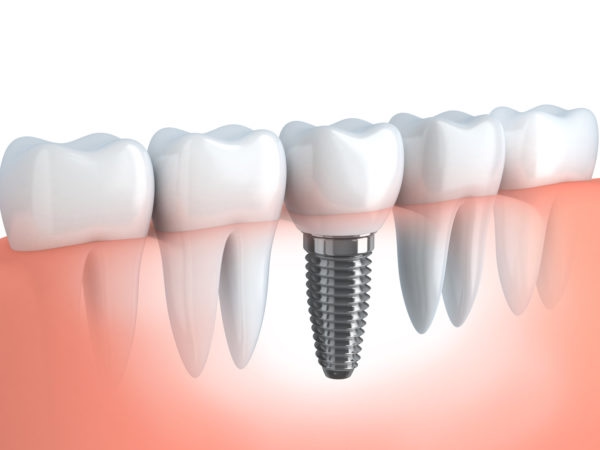
Dental Implants in Tunisia
Medical services required on the spot, e.g. for medical
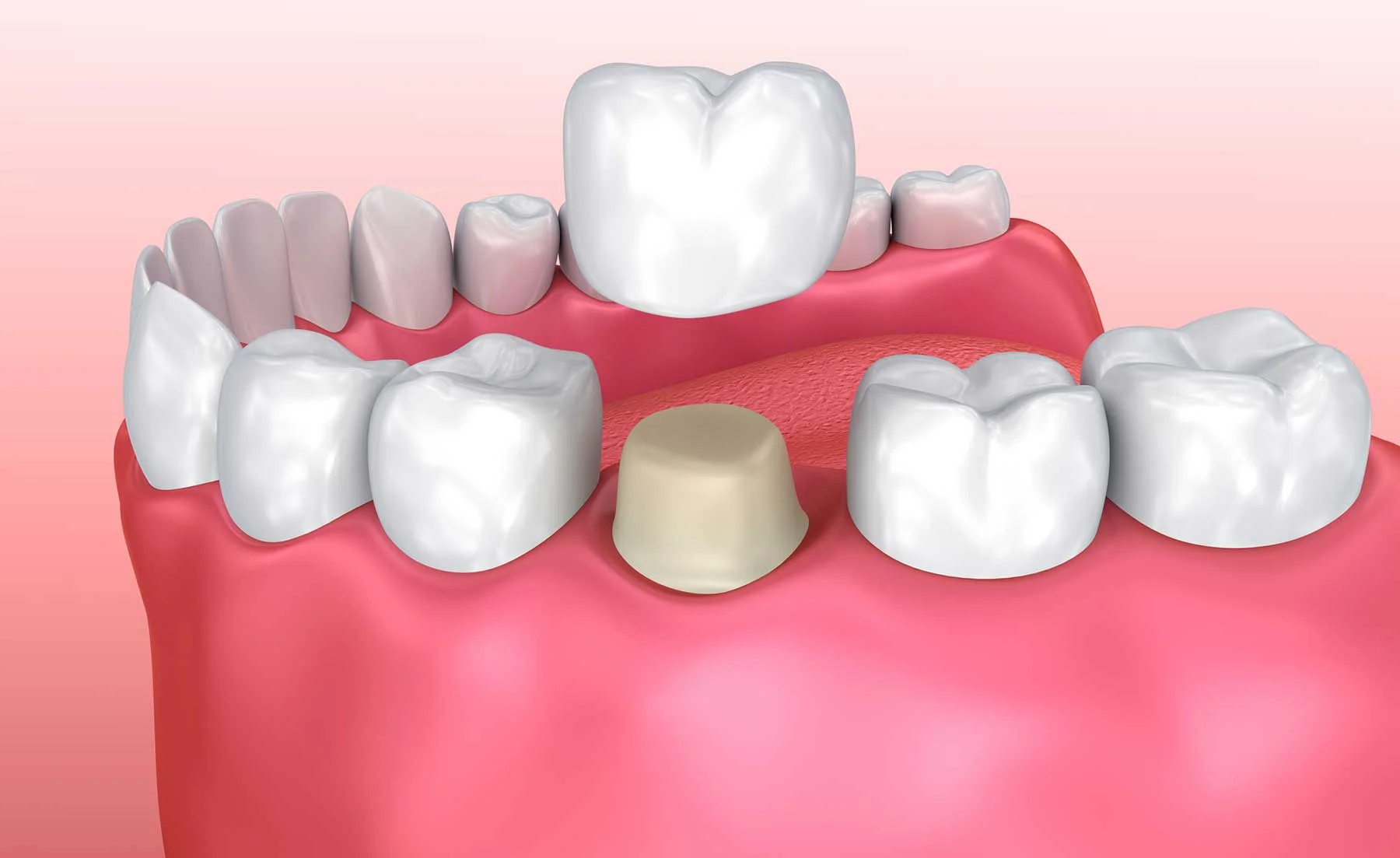
Dental Crowns in Tunisia
Medical services required on the spot, e.g. for medical
Teeth Whitening in Tunisia
Medical services required on the spot, e.g. for medical
Dentures in Tunisia
Medical services required on the spot, e.g. for medical