
Hip Replacement

Hip Replacement in Tunisia: Indications, Surgery and Recovery
What is hip replacement surgery in Tunisia?
Hip replacement surgery is a procedure that replaces the hip joint with an artificial prosthesis. It is generally recommended for patients with chronic pain and reduced mobility resulting from conditions such as osteoarthritis, fractures or degenerative diseases. The procedure can be performed using a traditional approach or arthroscopically, depending on the severity of the condition and the patient's general state of health. The main goal of this procedure is to relieve pain, restore joint function and improve patients' quality of life, allowing them to resume their daily activities without restrictions.
Following surgery, a rehabilitation program is essential to promote optimal recovery and strengthen the muscles surrounding the joint.
- Effective relief of chronic pain
- Restoration of joint mobility
- Noticeable improvement in quality of life
- Personalized post-operative follow-up and rehabilitation

Get a price estimate for your surgery!
Fill out the form below quickly.
FAQ
Hip replacement is often indicated because of intense, persistent pain caused by conditions such as osteoarthritis, fractures or other degenerative diseases. When conservative treatments, such as anti-inflammatory drugs or physical therapy, fail to ease the pain or restore mobility, surgery becomes an appropriate alternative. The main goal of this procedure is to replace the damaged joint with an artificial prosthesis. This allows patients to regain a satisfactory quality of life. By improving joint function, the operation not only reduces pain but also restores people's ability to carry out daily, professional and sporting activities without limitations, contributing to greater independence and better well-being.
Hip replacement is mainly intended for people suffering from chronic pain and functional limitations resulting from various conditions, including osteoarthritis, hip fractures and other degenerative joint diseases. This procedure is often recommended for patients who show no significant improvement after conservative treatments, such as medication or physical therapy, and whose quality of life is considerably compromised by pain.
Candidates for this surgery are generally adults, although age may vary depending on the severity of symptoms and the patient's general state of health. In addition, surgery may be considered for active individuals who wish to regain their mobility in order to resume their daily, professional or sporting activities.
Candidates for this surgery are generally adults, although age may vary depending on the severity of symptoms and the patient's general state of health. In addition, surgery may be considered for active individuals who wish to regain their mobility in order to resume their daily, professional or sporting activities.
The cost of a hip replacement in Tunisia is generally more competitive than in many Western countries, which leads many patients to seek quality care at affordable prices. On average, the price of this procedure varies depending on several factors, including the type of prosthesis selected, the hospital or clinic chosen, and the costs of hospitalization and postoperative care. In Tunisia, the total cost can range from 4,500 to 10,000 euros, which often includes preoperative consultations, the surgery itself, and medical follow-up.
There are several types of hip prostheses, each suited to specific patient needs.
Total hip replacement
Total hip replacement is the most common type, consisting of a complete replacement of the joint. It includes a stem inserted into the femur, a spherical head that replaces the femoral head, and a socket (acetabular cup) fixed to the pelvic bone. This option is generally recommended for patients suffering from severe pain and extensive damage, and it can significantly restore function and relieve pain.
Partial hip replacement (hemiarthroplasty)
Partial hip replacement, on the other hand, is a less invasive option often used in specific cases, such as younger patients or those with less advanced osteoarthritis. This type of prosthesis preserves part of the natural joint while replacing the damaged surfaces. It can offer a good compromise between function and preservation of bone structures, which can be particularly beneficial for active patients.
The procedure to implant a hip prosthesis is generally performed under general or regional anesthesia, depending on clinical specifics and the patient's preferences. It begins with an incision on the side or back of the hip, providing access to the affected joint. The surgeon then removes the head of the femur and, if necessary, cleans the damaged joint surfaces. Once this step is complete, the prosthesis is inserted, which may involve implanting a stem in the femur as well as a socket in the pelvic bone. The procedure generally takes between one and two hours, depending on the complexity of the case. After implantation, the surgeon checks that the joint functions properly before closing the incision. Patients are then transferred to the recovery room for careful monitoring, and the recovery phase begins within the first hours after surgery, often with the help of a physical therapist to facilitate rehabilitation and the return to mobility.
Post-operative care after hip replacement is critically important to ensure optimal recovery. In the hours following the procedure, the patient is generally transferred to the recovery room, where they are carefully monitored. This monitoring is aimed in particular at detecting any potential complications, such as bleeding or infection.
In the days following the operation, a rehabilitation program is put in place, including gentle exercises designed to promote a gradual return of mobility. Patients are encouraged to start walking with assistive devices, such as canes or walkers, from the first day after surgery. Painkillers are prescribed to manage pain, while regular medical follow-up remains essential to assess the healing process and adjust treatments if necessary.
Recovery time after hip replacement varies from one patient to another, but it is generally between three and six months. In the days following surgery, the focus is on pain management and the start of rehabilitation. Patients are encouraged to get up and walk with the help of support devices, an essential step to stimulate blood circulation and prevent possible complications.
After a few weeks, most patients are able to resume light activities, while rehabilitation continues with specific exercises to strengthen the muscles surrounding the joint. As a general rule, a return to normal daily and sporting activities can be expected between three and six months after the operation, depending on the patient's physical condition and commitment to the rehabilitation process.
The success rate of hip replacements is generally very high, with studies indicating that 90 to 95% of patients experience a significant reduction in pain and an improvement in joint function after the procedure. These positive results are explained by technological advances in prosthesis design and increasingly precise surgical techniques. The majority of patients report an improvement in their quality of life, allowing them to resume the daily, sporting and professional activities they had been forced to give up because of pain.
A brief statement describing the purpose and mission of the clinic. This may include a commitment to patient care and community health.

Welcoming our new patients
We are welcoming
new patients

more services
You may also like other services
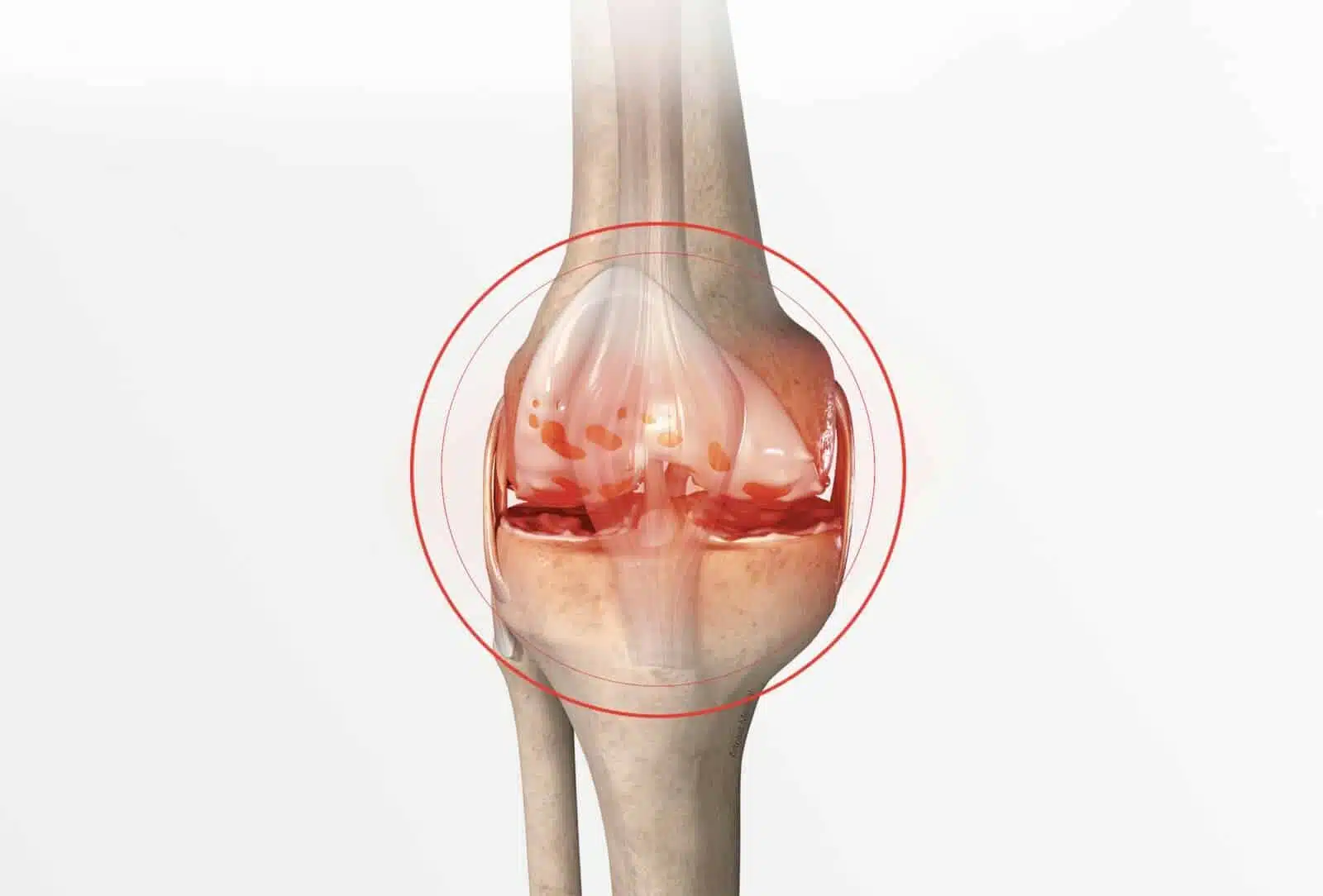
Knee Replacement
Medical services required on the spot, e.g. for medical
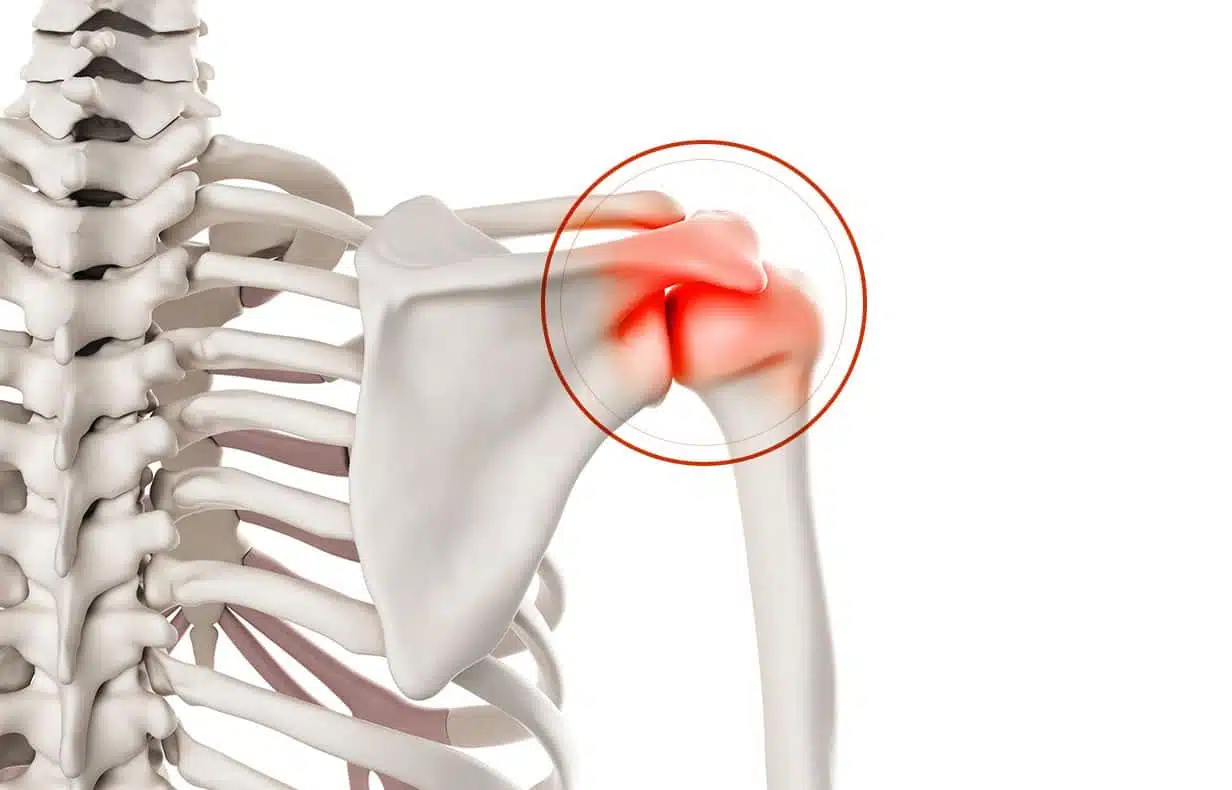
Shoulder Surgery
Medical services required on the spot, e.g. for medical