
Hysterectomy

Hysterectomy: Types, Indications and Consequences of the Procedure
Hysterectomy: what is it?
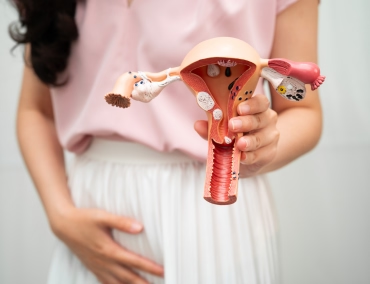
A hysterectomy is a surgical procedure that involves removing all or part of the uterus. This operation may be necessary to treat various medical conditions such as uterine fibroids, polyps, endometriosis, abnormal uterine bleeding, or certain cancers. Depending on the situation, a hysterectomy can be total (removal of the uterus and cervix) or partial (removal of the uterus only).
- Effective treatment of gynecological disorders
- Improved quality of life for patients
- Surgical options tailored to each case
- Comprehensive medical follow-up before and after the procedure
Get a price estimate for your surgery!
Fill out the form below quickly.
FAQ
A hysterectomy is mainly indicated for women suffering from gynecological disorders requiring removal of the uterus. This procedure is often recommended in the treatment of conditions such as uterine fibroids causing pain or abnormal bleeding, endometriosis, polyps, pelvic inflammatory disease, as well as uterine or ovarian cancers. In addition, a hysterectomy may be considered for patients with excessive or recurrent menstrual bleeding that does not respond to medical treatment. Before recommending this type of procedure, healthcare professionals carry out a careful assessment of the patient's general health, medical history and preferences, taking into account the implications for her fertility and hormonal health. Consequently, a hysterectomy is a therapeutic option for women who wish to relieve their symptoms and improve their quality of life; nevertheless, this decision should be thoroughly discussed with a healthcare professional.
The main goal of a hysterectomy is to:
- Relieve symptoms: Reduce or eliminate pelvic pain, abnormal bleeding and other troublesome symptoms.
- Treat diseases: Eliminate conditions that affect reproductive health, including fibroids, endometriosis and certain cancers.
- Prevent complications: Prevent the progression of serious diseases, such as uterine cancers.
The cost of a hysterectomy in Tunisia varies depending on the technique used (laparoscopic, abdominal, vaginal) and the healthcare facility. In general, the price ranges from €1,500 to €4,000, including consultations, pre-operative tests and post-operative follow-up.
For more information about hysterectomy, request a personalized quote now and discover your treatment options.
For more information about hysterectomy, request a personalized quote now and discover your treatment options.
Hysterectomy is divided mainly into two categories: total hysterectomy and partial hysterectomy. A total hysterectomy involves the complete removal of the uterus as well as the cervix. This procedure is often indicated in situations such as the presence of cancers, significant fibroids or serious conditions. It should also be noted that this procedure may require a bilateral hysterectomy, which includes removal of the ovaries, resulting in immediate menopause.
By contrast, a partial hysterectomy, also known as a subtotal hysterectomy, involves removing only the body of the uterus while preserving the cervix. This alternative is generally recommended to treat conditions such as fibroids or abnormal bleeding, while allowing partial preservation of reproductive function.
The choice between these two types of hysterectomy is determined by the underlying condition, the patient's preferences and medical recommendations.
By contrast, a partial hysterectomy, also known as a subtotal hysterectomy, involves removing only the body of the uterus while preserving the cervix. This alternative is generally recommended to treat conditions such as fibroids or abnormal bleeding, while allowing partial preservation of reproductive function.
The choice between these two types of hysterectomy is determined by the underlying condition, the patient's preferences and medical recommendations.
Steps of the procedure
- Pre-operative consultation: The doctor carries out a complete evaluation to determine whether a hysterectomy is necessary and to discuss the available options.
- Choice of surgical technique:
Abdominal hysterectomy: An incision is made in the abdomen to remove the uterus.
Laparoscopic hysterectomy: Small incisions are made to insert a camera and surgical instruments.
Vaginal hysterectomy: The uterus is removed through the vagina, without an abdominal incision.
- Surgical procedure:
The length of the operation depends on the chosen method, but it generally lasts between 1 and 3 hours.
- Post-operative monitoring: Patients are monitored to detect any complications.
Anesthesia and duration of the procedure
A hysterectomy can be performed under general or regional anesthesia, depending on specific medical recommendations. The length of the hospital stay generally ranges from a few days to a week, and depends on the surgical technique used and how quickly the patient recovers.
In some cases, other procedures may be performed at the same time, such as removal of the ovaries (salpingo-oophorectomy) or removal of the fallopian tubes.
What to expect after the procedure
- Pain and discomfort: Some pain is normal, but it can be managed with painkillers prescribed by your doctor.
- Vaginal bleeding: Light bleeding may occur for a few days after the operation.
- Fatigue: Patients may feel increased tiredness during the recovery period.
Recommendations and advice
After the procedure, it is crucial to rest and avoid physical exertion for several weeks. It is also recommended to avoid sexual intercourse and intense exercise for 6 to 8 weeks to promote complete healing. Follow-up consultations are necessary to monitor the healing process and detect any signs of complications.
Recovery time after a hysterectomy can vary depending on several factors, including the type of procedure performed (total or partial), the surgical technique used (abdominal, vaginal or laparoscopic) and the patient's general health. In general, patients can expect a recovery period of 4 to 6 weeks, during which it is essential to rest and limit physical activity. The first few days after the operation may involve pain, fatigue and light bleeding, but these symptoms tend to fade over time. Once the initial recovery period has passed, many women gradually regain their energy levels and can resume their daily activities. However, it is important to follow medical recommendations and attend follow-up consultations to ensure complete healing and avoid possible complications.
Immediate results
After a hysterectomy, many women notice immediate relief from the symptoms that led them to have surgery. Pain and bleeding are often significantly reduced.
Long-term evolution of results
- Improved quality of life: Most patients report an improved quality of life, free of chronic pain and bleeding.
- Impact on reproductive health: A hysterectomy ends menstrual periods and rules out any possibility of pregnancy. It is important to discuss this with a doctor if you wish to have a pregnancy in the future.
To learn more about hysterectomy and receive a personalized quote, contact us today.
The success rate of hysterectomy is generally very high, with the majority of patients reporting a significant improvement in their symptoms and quality of life following the procedure. When a hysterectomy is performed to treat conditions such as uterine fibroids, abnormal bleeding or cancer, its success is often reflected in pain relief and the resolution of menstrual problems. Although complications are rare, they may include infections, bleeding or injury to neighboring organs. The results of a hysterectomy also depend on various factors such as the patient's general health, the surgical technique used and post-operative follow-up. Hysterectomy is considered an effective and safe treatment option, helping to improve the quality of life of many women.
A brief statement describing the purpose and mission of the clinic. This may include a commitment to patient care and community health.

Welcoming our new patients
We are welcoming
new patients

more services
You may also like other services
Myomectomy
Medical services required on the spot, e.g. for medical

Ovarian Cyst
Medical services required on the spot, e.g. for medical

Abortion
Medical services required on the spot, e.g. for medical