
Gastric Balloon

Gastric Balloon Tunisia: Lose Weight Without Surgery
Gastric Balloon: An Innovative Solution for Weight Loss
Obesity has become a major health problem in the modern world, affecting millions of people and increasing the risk of serious diseases. Faced with this challenge, the gastric balloon is emerging as an effective, less invasive solution to help overweight people return to a healthy weight. By taking up space in the stomach, this medical device promotes a quicker feeling of fullness and encourages healthy eating habits. On this page, we will explore this procedure in detail, its goals, its benefits, and the results patients can expect from it.
- Cutting-edge techniques for gum contouring
- High-quality materials
- Personalized aesthetic and functional results
- Experienced specialists in dental prosthetics
Get a price estimate for your surgery!
Fill out the form below quickly.
FAQ
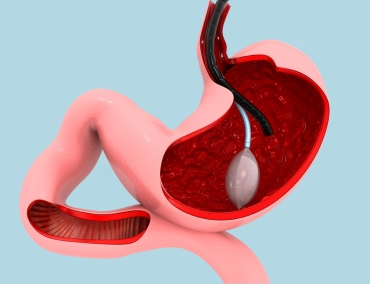
The gastric balloon is a medical device designed to help obese people lose weight. It consists of a silicone balloon that is inserted into the stomach by endoscopy, then inflated with a saline solution. This process reduces the space available in the stomach, causing an early feeling of fullness during meals.
The main purpose of the gastric balloon is to help patients lose weight significantly while improving their overall health. It is often recommended for people with a body mass index (BMI) above 30 who have not succeeded in losing weight through traditional methods. By facilitating gradual weight loss, the gastric balloon also helps reduce the risk of obesity-related diseases, such as type 2 diabetes and cardiovascular disease.
The cost of a gastric balloon procedure in Tunisia varies depending on the clinic and the services offered. The cost includes hospitalization, pre-operative consultations and post-operative follow-up.
For more information on the gastric balloon, request a personalized quote by clicking the button below.
For more information on the gastric balloon, request a personalized quote by clicking the button below.
One of the main benefits of the gastric balloon is that it is a non-surgical, less invasive procedure compared with other options, such as bariatric surgery. In addition, side effects are generally milder, with a faster recovery time. Other benefits include:
- Significant weight loss: On average, patients can lose between 10 and 30% of their body weight.
- Improved health: Reduction of obesity-related health problems.
- Medical support: Regular follow-up by health professionals.
- Adaptability: Can be combined with nutrition and exercise programs.
Steps of the procedure
Pre-operative consultation: Complete medical evaluation to determine eligibility.
Anesthesia: Generally, light anesthesia is given for the patient's comfort.
Balloon insertion: Using an endoscope, the balloon is introduced into the stomach and inflated.
Check and verification: Verification of the correct position of the balloon by ultrasound or X-ray.
Anesthesia
The procedure is performed under light or moderate anesthesia, allowing the patient to remain conscious without feeling any pain.
Duration
The whole procedure takes about 20 to 30 minutes, followed by a short recovery period before going home.
What to expect after the procedure
After the procedure, it is normal to feel abdominal discomfort and nausea, which generally go away within a few days. Patients can return to their normal activities after a few days of rest.
Recommendations/tips
Diet: Follow a specific diet during the first few weeks, favoring liquid and then soft foods.
Hydration: Drink plenty of water to avoid dehydration.
Medical follow-up: Attend follow-up appointments to monitor weight-loss progress.
Description of the result
The results of the gastric balloon can be visible within the first few weeks, with gradual weight loss. Most patients notice a decrease in appetite and an increased feeling of fullness.
How the result evolves
Over time, patients can lose between 10 and 30% of their body weight within six months to a year. How the results evolve will depend on the patient's commitment to their diet and exercise program.

Welcoming our new patients
We are welcoming
new patients
A brief statement describing the purpose and mission of the clinic. This may include a commitment to patient care and community health.

more services
You may also like other services
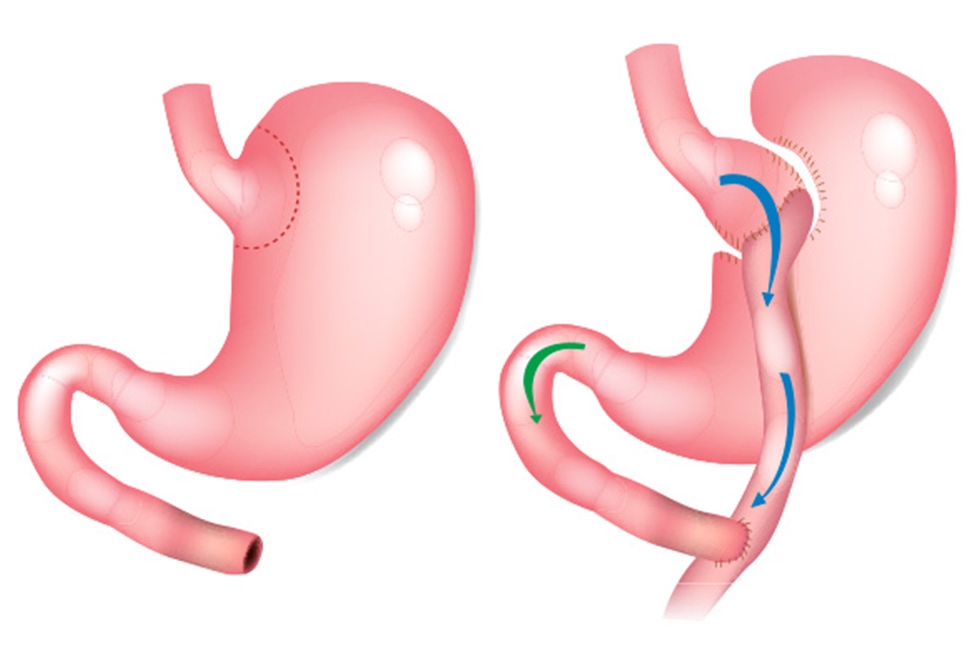
Bypass
Medical services required on the spot, e.g. for medical
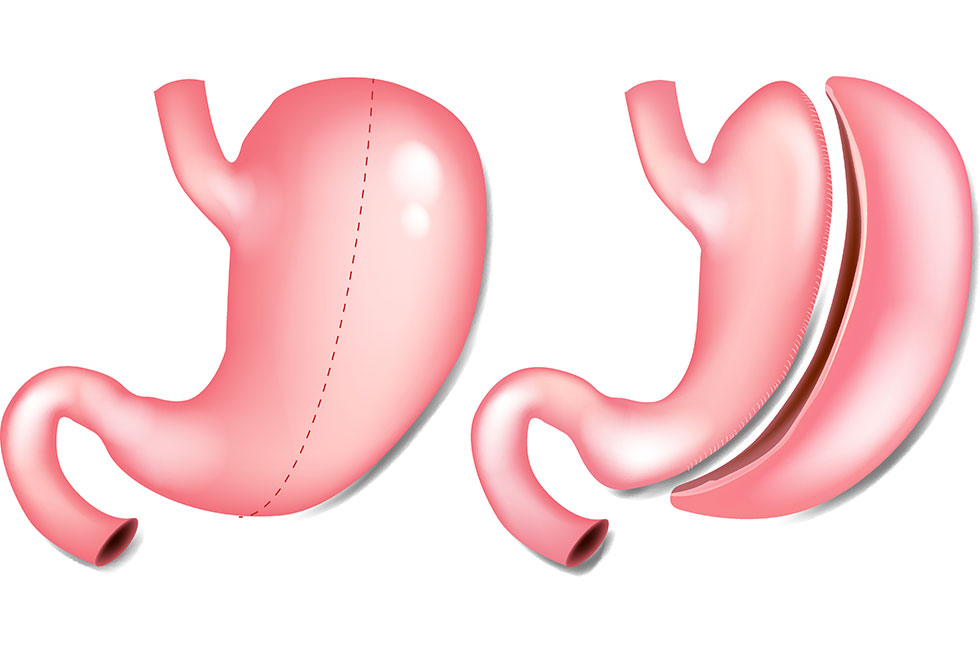
sleeve gastrectomy
Medical services required on the spot, e.g. for medical