
Heart Valve Replacement

Heart Valve Replacement in Tunisia: Treatment of Valve Diseases
What is heart valve replacement?
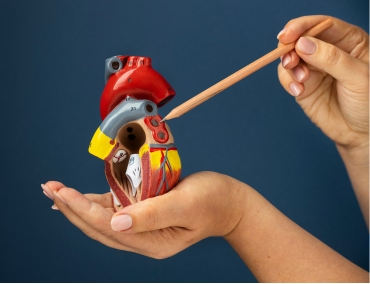
Heart valve replacement is a surgical procedure to treat defective heart valves that do not work properly and cause blood flow problems. It may involve replacing one or more heart valves, usually the aortic and mitral valves, with mechanical or biological valves.
- Treatment of defective heart valves
- Improved blood flow through the heart
- Use of mechanical or biological valves
- Specialized surgical procedure
Get a price estimate for your surgery!
Fill out the form below quickly.
FAQ
Before a heart valve replacement, it is essential to prepare properly for the procedure. First, a thorough evaluation of the patient's general health is carried out, including tests such as an echocardiogram, blood tests and sometimes advanced imaging tests. It is also crucial to discuss the different valve options available, whether mechanical or biological, as well as the advantages and disadvantages of each type. Patients must be informed of the risks associated with surgery, such as infections, bleeding or cardiac complications. In addition, it is important to follow the doctor's instructions on which medications to stop or continue before the procedure.
The main goals of heart valve replacement are to restore blood flow by improving circulation through the heart, which promotes optimal heart function. The procedure also aims to relieve symptoms such as shortness of breath, fatigue, chest pain and palpitations. In addition, it helps prevent serious complications, such as heart failure, that can be associated with valve disease.
The cost of heart valve replacement in Tunisia generally ranges between €8,000 and €10,000, depending on the techniques used, the valves chosen and the hospital. This price includes hospitalization, anesthesia and post-operative follow-up.
For more information on heart valve replacement, request a personalized quote now and discover your treatment options.
For more information on heart valve replacement, request a personalized quote now and discover your treatment options.
- Pre-operative consultation: A cardiologist performs tests and assesses the patient's general health.
- Preparation: Instructions are given on taking medication and fasting before the procedure.
- Surgical procedure:
Anesthesia: Valve replacement is performed under general anesthesia.
Opening the chest: The surgeon makes an incision over the sternum to access the heart.
Valve replacement: The defective valve is removed and replaced with a mechanical or biological valve.
Closure: The chest is closed and the patient is monitored in the recovery room.
Heart valve replacement surgery generally lasts between 2 and 4 hours, depending on the complexity of the surgery. The hospital stay can then range from 5 to 10 days, depending on the patient's recovery.
Other procedures may be necessary depending on the patient's condition, such as repairing other heart valves or treating the coronary arteries.
What to expect after the procedure
- Recovery in the hospital: Patients will be closely monitored during their hospital stay, with regular checks of vital signs.
- Postoperative pain: Chest pain may occur, but it can be managed with medication.
Recommendations and advice
- Physical activity: Starting cardiac rehabilitation after surgery is recommended, following medical advice.
- Medical follow-up: Regular consultations are necessary to monitor how well the valve is working and the overall condition of the heart.
The average lifespan of a replacement heart valve depends on the type of valve used. Mechanical valves, made from durable materials, last between 15 and 30 years or even longer, which makes them a particularly attractive option for younger patients. Biological valves, on the other hand, which are generally derived from animal tissue, have an average lifespan of 10 to 20 years. Their wear is often influenced by various factors, such as the patient's age, lifestyle and the possible presence of underlying conditions. It is essential for patients to consult their doctor to discuss the different valve options and their long-term implications, in order to select the solution best suited to their situation. In addition, regular follow-up is advised to monitor the condition of the valve over time.
Immediate results
Heart valve replacement generally brings a rapid improvement in heart symptoms. Many patients report a better ability to exercise and a reduction in heart failure symptoms in the days following the procedure.
Long-term evolution of results
- Regular follow-up: It is crucial to keep monitoring heart health with regular check-ups to detect possible complications.
- Healthy lifestyle: Adopting a healthy lifestyle, including a balanced diet and regular exercise, is essential to maintain results over the long term.
To learn more about heart valve replacement and get a personalized quote, contact us today.
A brief statement describing the purpose and mission of the clinic. This may include a commitment to patient care and community health.

Welcoming our new patients
We are welcoming
new patients

more services
You may also like other services
Coronary Angiography
Medical services required on the spot, e.g. for medical
Angioplasty
Medical services required on the spot, e.g. for medical

Coronary Artery Bypass
Medical services required on the spot, e.g. for medical