
Otoplasty

Otoplasty: Cosmetic surgery for protruding ears
Otoplasty: A Solution for Harmonious Ears
Otoplasty is a surgical procedure that aims to correct imperfections of the ears, in particular protruding or asymmetrical ears. Often seen as a cosmetic solution, this surgery is not limited to improving physical appearance; it also plays a crucial role in patients’ emotional well-being and self-confidence. Whether in children, teenagers or adults, otoplasty offers an opportunity to restore facial harmony and ease concerns related to ear abnormalities. In this context, it is essential to understand the indications, how the operation is performed, and the care needed before and after the procedure. This detailed guide will give you all the essential information to consider this procedure with full knowledge of the facts.
- Surgeons expert in otoplasty
- Natural correction of protruding ears
- Personalized post-operative follow-up
- Lasting, harmonious results

Get a price estimate for your surgery!
Fill out the form below quickly.
Facial surgery testimonial in Tunisia: Successful transformation: blepharoplasty, facelift and otoplasty with Mondial Santé
FAQ
Otoplasty is a surgical procedure that aims to correct ear abnormalities, in particular protruding or asymmetrical ears. It can also be used to reshape or reposition the ears, providing better harmony with the face. This surgery is generally performed by a plastic surgeon and can be done at any age, although it is often performed on children or teenagers. Otoplasty not only improves the appearance of the ears but can also boost patients’ self-confidence.
- Age: Children from age 5 are often good candidates, because their ears are almost fully developed. However, teenagers and adults can also consider this procedure.
- Motivation: The candidate should have realistic expectations about the results of the surgery and be motivated by the desire to improve their appearance.
- Ear problems: People with protruding, asymmetrical or malformed ears are the most likely to benefit from otoplasty.
- No medical problems: Candidates should be in good general health and have no ear infections or other ear problems.
The price of otoplasty can vary depending on several factors, including the region, the surgeon’s reputation and the complexity of the procedure. The price of otoplasty is 1650 euros, an amount that generally includes the surgeon’s fees, anesthesia fees and the costs of the surgery itself. It is important to check whether the price includes pre- and post-operative consultations, as well as the necessary post-operative care.
- Assessment: The surgeon will examine the ears and discuss the patient’s aesthetic concerns.
- Discussion of goals: The patient will express their expectations and the desired result, allowing the surgeon to propose a suitable plan.
- Explanation of the procedure: The surgeon will explain in detail how the procedure works, the risks and the post-operative care.
- Medical tests: Tests may be requested to make sure the patient is in good health.
- Preparation: The patient will receive instructions on medications to avoid, the need to fast before the procedure and the anesthesia arrangements.
- Initial discomfort: Patients may feel mild to moderate pain, usually controlled with prescribed pain relievers.
- Bandage: Bandages will be applied to the ears to support healing. It is important to follow the surgeon’s instructions on their use.
- Medical follow-up: Follow-up appointments will be scheduled to monitor healing and remove the stitches if necessary.
- Activities to avoid: Intense physical activity should be avoided for a few weeks to prevent complications.
Most patients notice a significant improvement in the appearance of their ears in the weeks following the operation.
Recovery time after otoplasty varies from patient to patient, but in general it is fairly quick. Patients can resume light activities after about 5 to 7 days, but it is advisable to avoid sports or intense physical activity for about 3 to 4 weeks. Most patients return to their daily activities within 1 to 2 weeks, although the final appearance of the ears may take several months to stabilize completely.
- Pain and discomfort: This can be managed with prescribed medication.
- Swelling and bruising: These effects are normal and generally subside during the first week.
- Numbness: Some people may feel a numb sensation around the ear, which usually goes away with time.
- Infection: Although rare, an infection can occur and may require treatment.
It is essential to report any persistent or concerning side effect to your doctor.
- Choose a good surgeon: Look for an experienced, qualified otoplasty surgeon. Check their credentials and previous work.
- Have realistic expectations: Understand that while otoplasty improves the appearance of the ears, it will not completely change the appearance of the face.
- Follow post-operative recommendations: Comply with all of the surgeon’s instructions to ensure proper healing.
- Attend follow-up appointments: These visits make it possible to monitor healing and to step in quickly if a problem arises.
The results of otoplasty are generally very positive. Patients notice a significant improvement in the appearance of their ears, which contributes to better facial balance and greater self-confidence. Before-and-after photos often show ears that sit closer to the head and a more harmonious contour. Although the final results may take a few months to settle, most patients are very satisfied with their transformation.

more services
You may also like other services

Rhinoplasty in Tunisia
Medical services required on the spot, e.g. for medical
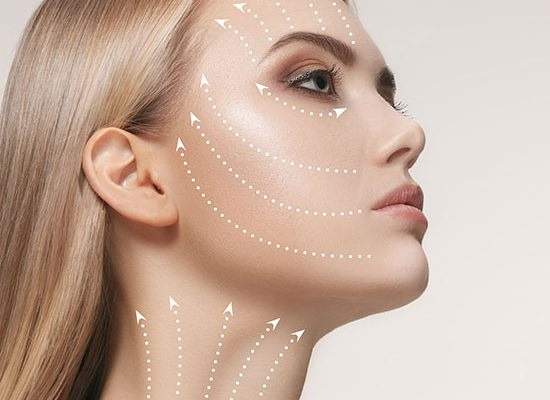
Cervicofacial lift
Medical services required on the spot, e.g. for medical
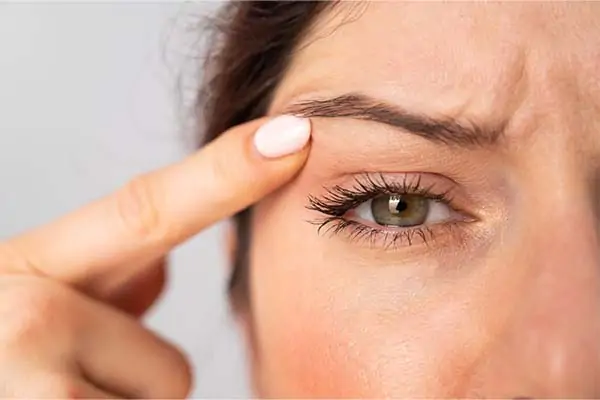
Blepharoplasty in Tunisia
Medical services required on the spot, e.g. for medical
Facial Lipofilling
Medical services required on the spot, e.g. for medical
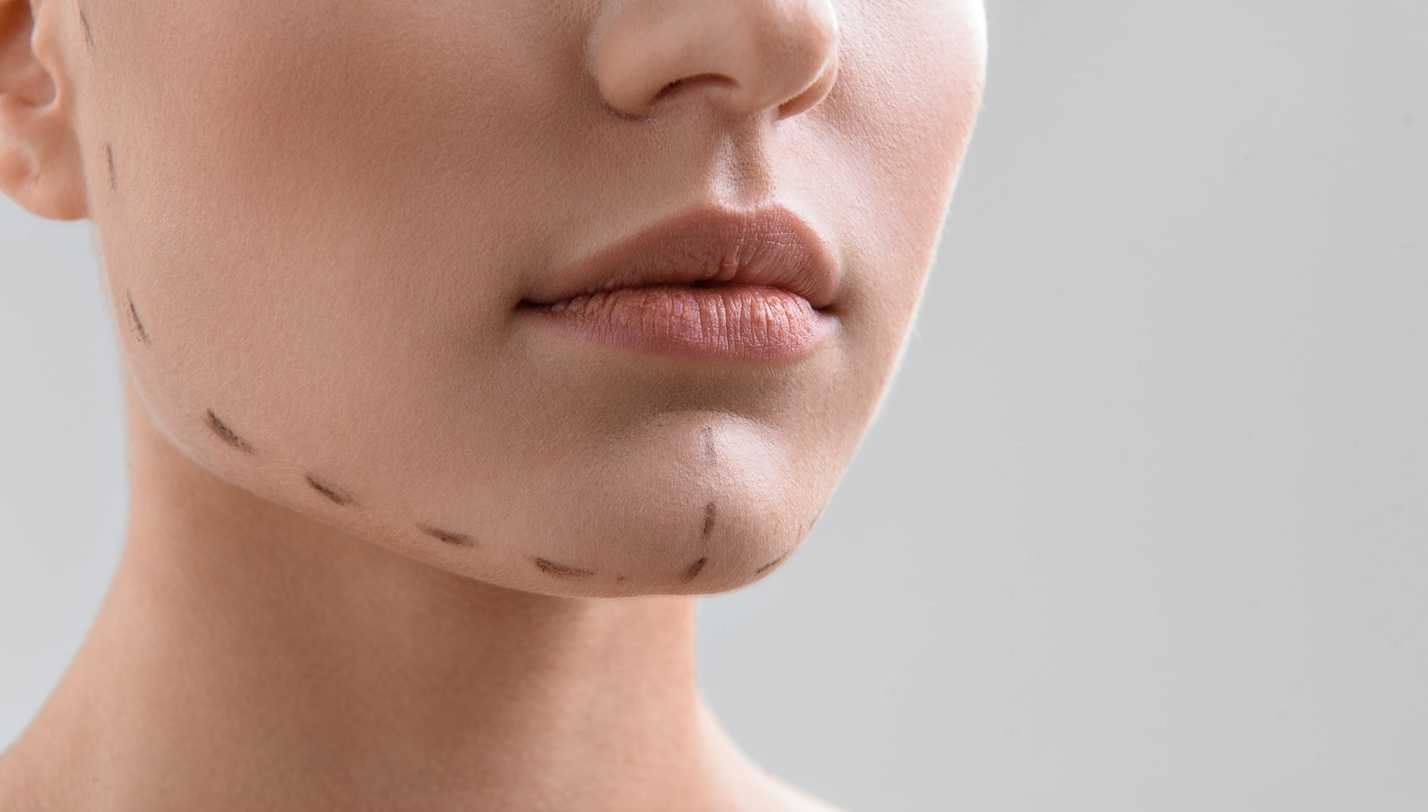
Genioplasty
Medical services required on the spot, e.g. for medical
Lip Lift
Medical services required on the spot, e.g. for medical
Septoplasty
Medical services required on the spot, e.g. for medical