
Ultrasound Surgery: Treating Nerve Compression in the Upper Limb

17 Feb
Ultrasound Surgery: Treating Nerve Compression in the Upper Limb
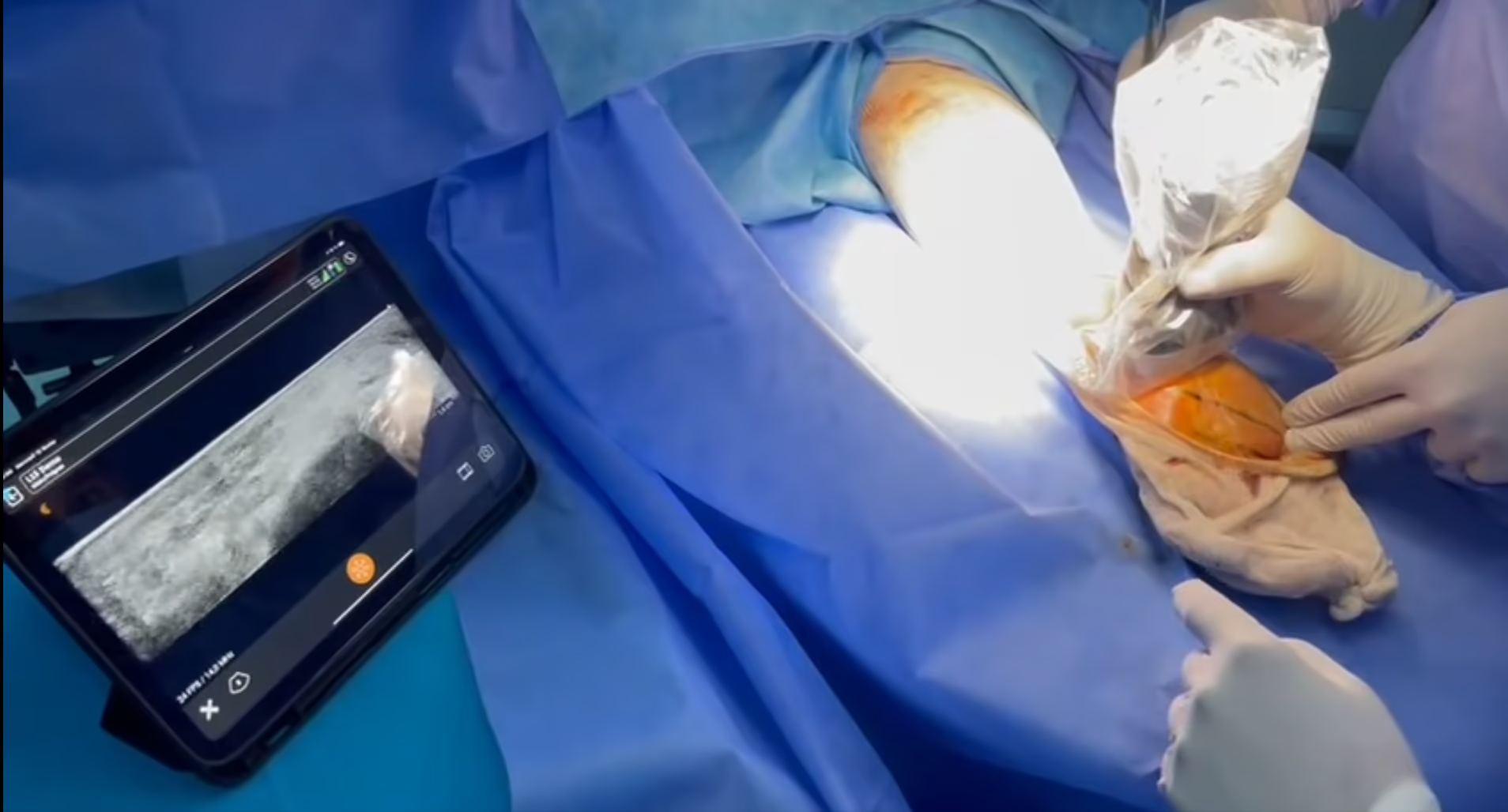
Tunisia has just achieved a significant medical feat with the first ultrasound-guided surgical procedure to relieve compression of the median nerve. This operation, performed late last week in the orthopedics department of Charles Nicolle University Hospital, was carried out using the WALANT (Wide Awake Local Anesthesia No Tourniquet) technique. This innovation marks a turning point in the treatment of nerve disorders of the upper limb.
 |
The median nerve: a key role in hand mobility
The median nerve is an essential nerve that controls hand movements. Its compression, whether at the elbow or the hand, can cause pain, numbness and loss of function. This condition, often linked to nervous system disorders, requires a precise procedure to avoid long-term complications.
Get a price estimate for your surgery!
Fill out the form below quickly.
An innovative and precise technique
This new surgical approach relies on ultrasound to guide the procedure in real time. This method allows minimally invasive surgery, performed through small skin incisions, without general anesthesia or a prolonged hospital stay. The precision provided by ultrasound ensures a targeted and effective procedure while minimizing risks for the patient.
The advantages of the WALANT technique
The WALANT technique, used in this procedure, offers many advantages for both patients and the healthcare system:
- No general anesthesia: A local anesthetic is enough, avoiding the risks associated with general anesthesia.
- Less postoperative pain: Thanks to local anesthesia, patients feel less pain after the operation compared with traditional surgery.
- Smaller incisions: The small incisions limit scarring and improve cosmetic recovery.
- Quick return to daily activities: The recovery period is significantly shorter, allowing patients to quickly resume their professional and personal activities.
- Outpatient surgery: Patients leave the hospital on the day of the procedure, which lasts less than 15 minutes.
- Lower healthcare costs: This technique reduces the use of complex medical equipment and cuts hospitalization expenses.
An advance that strengthens Tunisia's position in precision surgery
This medical success is an important milestone in the field of upper limb surgery in Tunisia. It reflects the expertise and innovation of Tunisian healthcare professionals, strengthening the country's reputation on the regional and international medical stage. This technique, focused on improving the patient experience and accelerating recovery, opens the way to new prospects in the treatment of nerve disorders.
A well-deserved tribute to the medical team
This feat would not have been possible without the dedication and skill of the medical team in the orthopedics department at Charles Nicolle Hospital. Their commitment to innovation and to improving healthcare in the public sector deserves recognition. This success is an inspiring example of what collaboration and medical excellence can achieve.
In short, this first ultrasound-guided surgical procedure in Tunisia marks significant progress in the field of precision surgery, offering patients safer, less invasive and more effective solutions. It is a source of pride for the Tunisian healthcare system and a promise for the future of medicine in the region.