
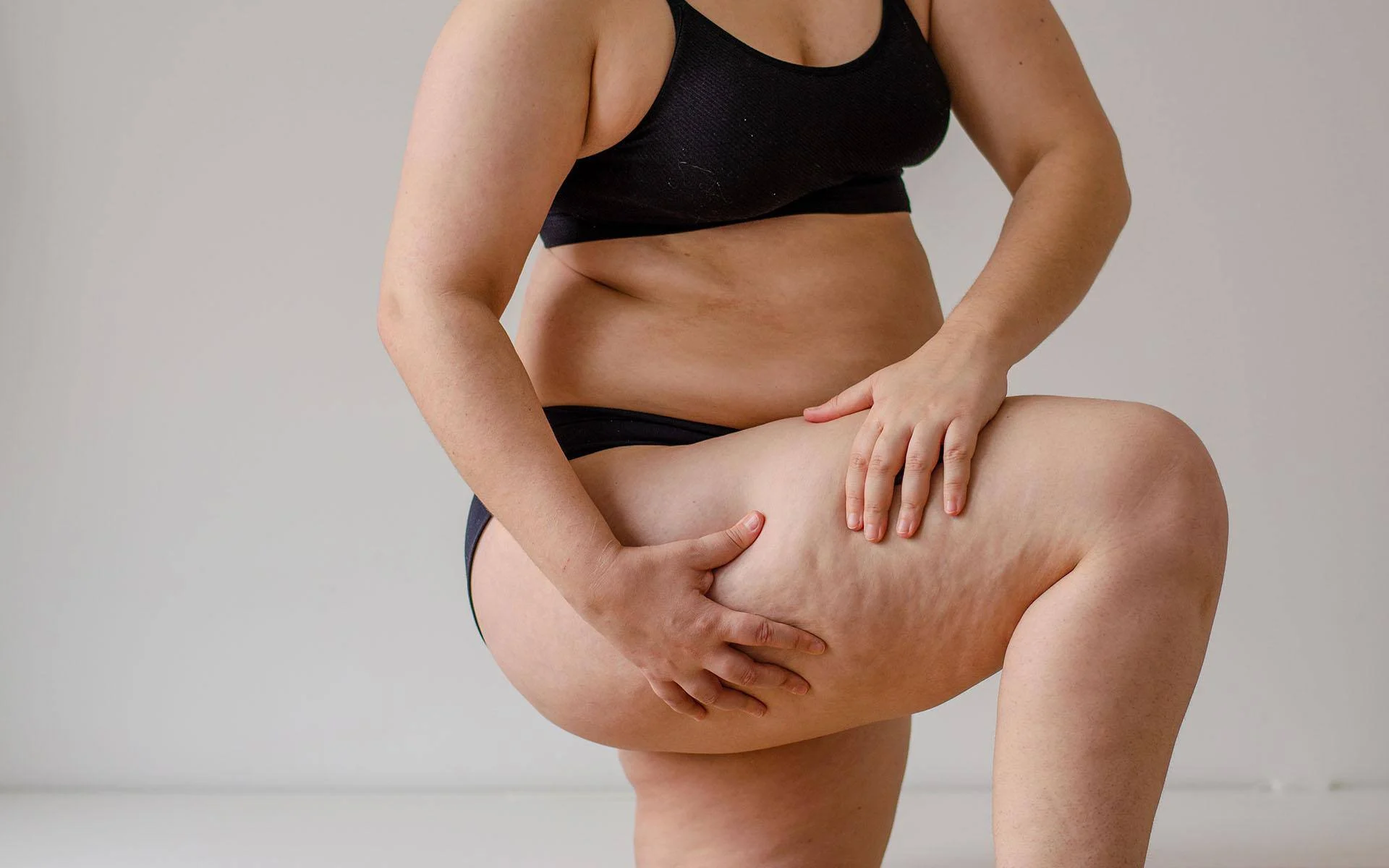
Lymphedema and lipedema are two conditions that affect the lymphatic system and the distribution of fat in the body, but they are often confused because of some similar symptoms. However, they are different in nature, and it is important to understand these differences for proper management and treatment.
Lymphedema: a buildup of fluid in the tissues
Lymphedema is characterized by a buildup of lymphatic fluid in the body's tissues, causing swelling, often in the arms or legs. This fluid, which is normally part of the immune system, fails to circulate properly through the body because of a malformation or blockage of the lymphatic vessels. Lymphedema can be primary (present from birth due to a malformation of the lymphatic vessels) or secondary (resulting from damage to the lymphatic vessels caused by surgery, radiotherapy, infection or trauma).
Get a price estimate for your surgery!
Symptoms of lymphedema:
-
Localized swelling, usually in the arms or legs, which can become more severe over time.
-
Tight or heavy skin, accompanied by pain or a feeling of “tightness”.
-
Reduced mobility in the affected area.
-
Frequent infections, due to stagnant lymph and weakened immunity in the area.
Treatment of lymphedema:
Treatment of lymphedema aims to improve lymphatic circulation and reduce swelling. It includes:
-
Manual lymphatic drainage, a specific massage technique to promote lymphatic flow.
-
Compression, usually in the form of bandages or compression garments.
-
Physical exercise to stimulate circulation and support the lymphatic system.
-
Surgery in severe cases, to remove excess tissue or to create lymphatic bypasses.
Lipedema: an abnormal buildup of fat
Lipedema, on the other hand, is a chronic condition in which fat accumulates disproportionately in certain parts of the body, mainly the legs, hips, buttocks and sometimes the arms. This condition mainly affects women and is often triggered or worsened by hormonal factors, such as puberty, pregnancy or menopause.
Symptoms of lipedema:
-
Fat accumulation in specific areas of the body, creating a “column-like” appearance.
-
Pain in the affected areas, often accompanied by tenderness to the touch.
-
Symmetrical swelling, affecting both sides of the body equally.
-
Cool, smooth skin, sometimes with nodules or lumps under the skin.
-
Difficulty losing weight in the affected areas, despite effort.
Lipedema is not related to obesity, and people with the condition may have a normal body weight but still suffer from this specific accumulation of fat. The condition can be misdiagnosed, often confused with obesity or lymphedema, which makes its treatment more complex.
Treatment of lipedema:
Treatment of lipedema focuses on managing symptoms and reducing fat accumulation. Options include:
-
Liposuction to remove excess fat in the affected areas.
-
Compression, in the form of compression stockings or bandages, to improve circulation and reduce pain.
-
Lymphatic drainage to relieve swelling symptoms and improve lymphatic circulation.
-
Physical therapies, including regular exercise and massage to stimulate fluid drainage and circulation.
Key differences between lymphedema and lipedema
-
Origin and cause:
-
Lymphedema is caused by a failure of the lymphatic system, which leads to a buildup of fluid.
-
Lipedema results from an abnormal accumulation of fat, often linked to hormonal factors.
-
-
Symptoms:
-
Lymphedema causes painful swelling with tight skin and reduced mobility.
-
Lipedema is marked by symmetrical fat accumulation, often painful, and smooth, cool skin.
-
-
Treatment:
-
Lymphedema requires treatment to improve lymphatic circulation, such as lymphatic drainage and compression.
-
Lipedema is mainly treated with liposuction, compression and lymphatic drainage to relieve pain and improve body appearance.
-
Lymphedema and lipedema are two distinct conditions, although they may sometimes share certain symptoms, notably swelling of the limbs. While lymphedema is linked to a failure of the lymphatic system, lipedema involves an abnormal accumulation of fat, often linked to hormonal factors. Although neither condition can be completely cured, early and appropriate treatment can considerably improve the quality of life of those affected. It is therefore essential to consult a specialist to obtain an accurate diagnosis and a suitable treatment plan.